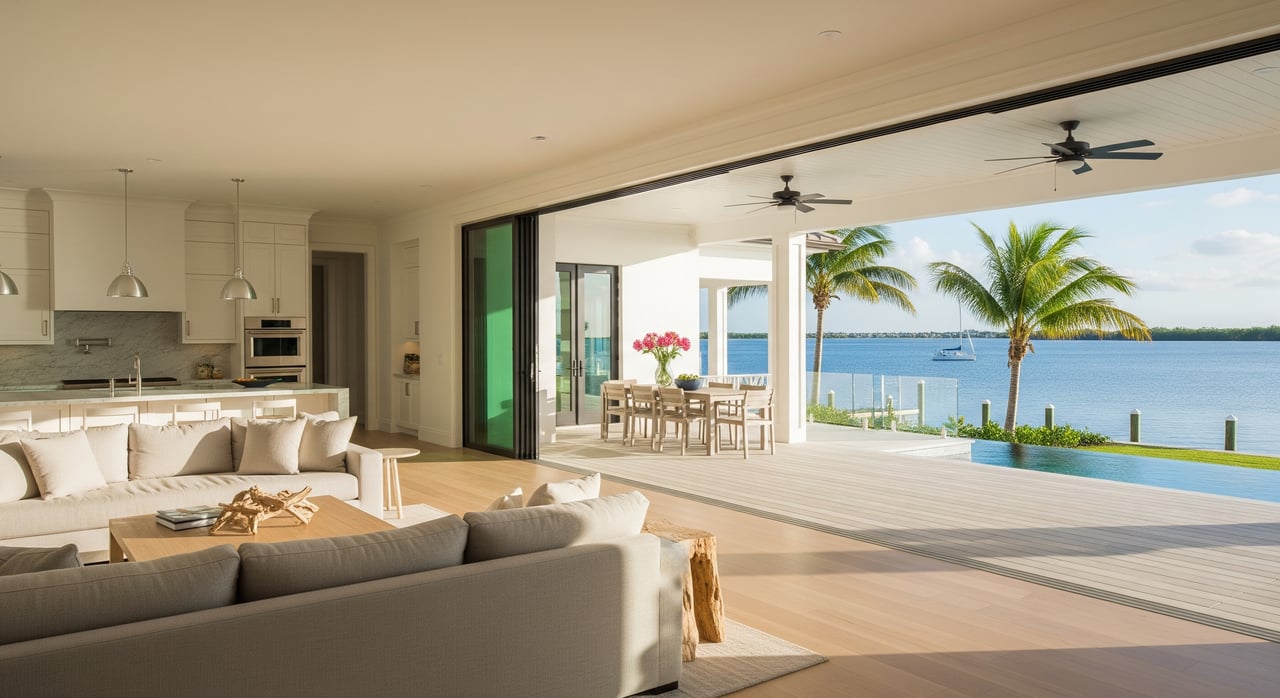
Spotted a Jensen Beach listing labeled “turnkey”? It sounds like you can just bring your suitcase. In coastal Florida, that promise can be real, but the details matter a lot. You want to know what is included, what is not, and whether the property is truly ready for immediate use and easy insurance. In this guide, you will learn how “turnkey” is used in Jensen Beach, what to expect in condos versus single-family homes, and how to verify everything in writing before you buy. Let’s dive in.
What “turnkey” really means
“Turnkey” is a marketing term that signals move-in-ready condition. It usually means no major repairs or renovations are needed. It does not have a legal definition in Florida. The scope varies by seller and must be defined in your contract.
Florida law requires sellers to disclose known material defects, and condo or HOA resales have specific disclosure regimes. For condos, the Condominium Act requires key documents that can reveal assessments, reserves, and building issues. For HOAs, the statute sets disclosure expectations. Review these carefully because “turnkey” never replaces required disclosures under Florida Statutes Chapter 718 and Chapter 720.
Coastal factors that change “ready”
In Jensen Beach, coastal realities shape what “move-in-ready” means. Salt air can corrode metal, hurricane winds drive insurance standards, and flood zones affect lending. A cosmetically beautiful home can still be hard to insure or finance without certain features or documents.
For example, an ocean-area condo may be advertised as turnkey but still need a wind mitigation report or an elevation certificate to secure affordable insurance. Flood zone and building elevation influence coverage and cost. You can check a property’s flood zone using the FEMA Flood Map Service Center.
Typical inclusions and exclusions
Common inclusions
- Functional systems: Working plumbing, electrical, hot water, and HVAC.
- Operational kitchen and baths: Stove, refrigerator, dishwasher, and fixtures in working order.
- Finished interiors: Clean floors, paint in good condition, and no major structural repairs needed.
- Basic fixtures: Window coverings and light fixtures.
- If furnished: Furniture and basic household items. Always get a detailed inventory.
Higher standard extras
- Transferable warranties: Appliances, HVAC, or roof certifications, when available.
- Service records: Recent HVAC tune-up, water heater service, and pool service logs.
- Insurance-ready documents: Wind mitigation and elevation certificates, plus any recent inspection reports shared by the seller.
Frequent exclusions
- Personal items and art: Seller’s personal effects and high-value decor are often excluded.
- Select electronics: Mounted TVs and sound systems can be excluded or negotiable.
- Near end-of-life systems: A seller may disclose aging equipment but still market the home as turnkey.
- Unpermitted work: Cosmetic updates can hide unpermitted improvements. Verify permit history.
Condo vs. single-family details
Condos in Jensen Beach
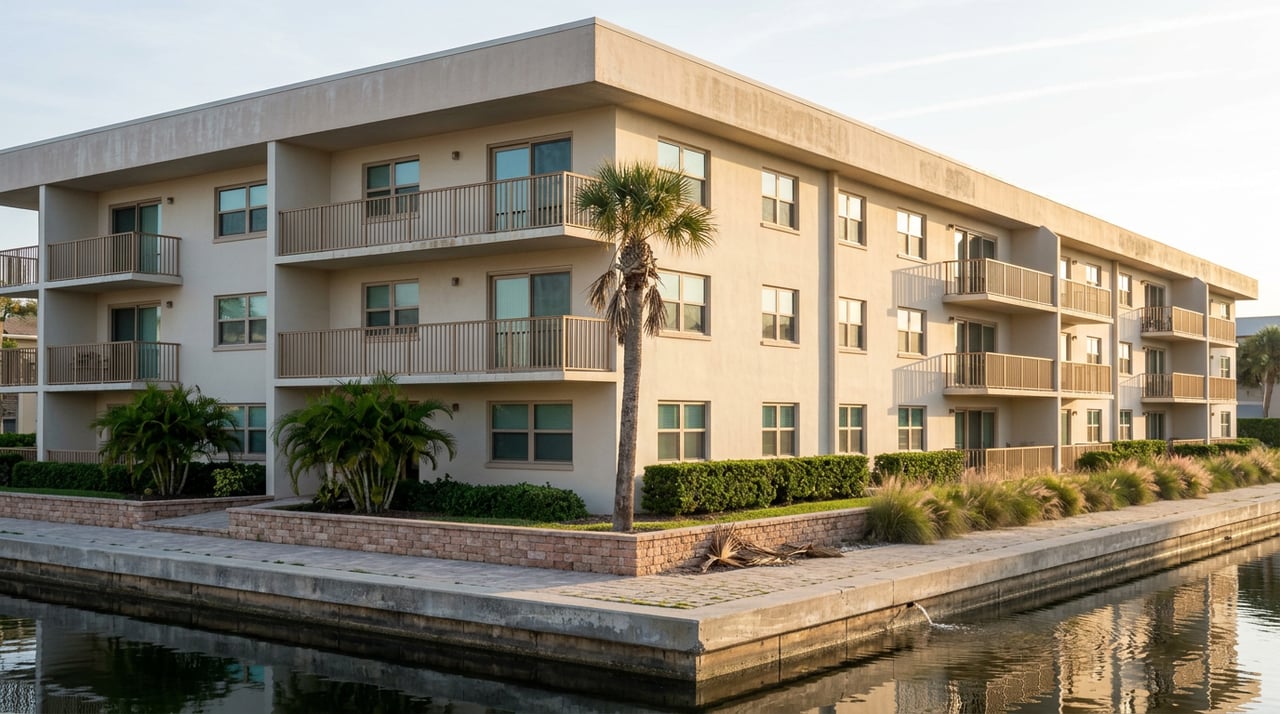
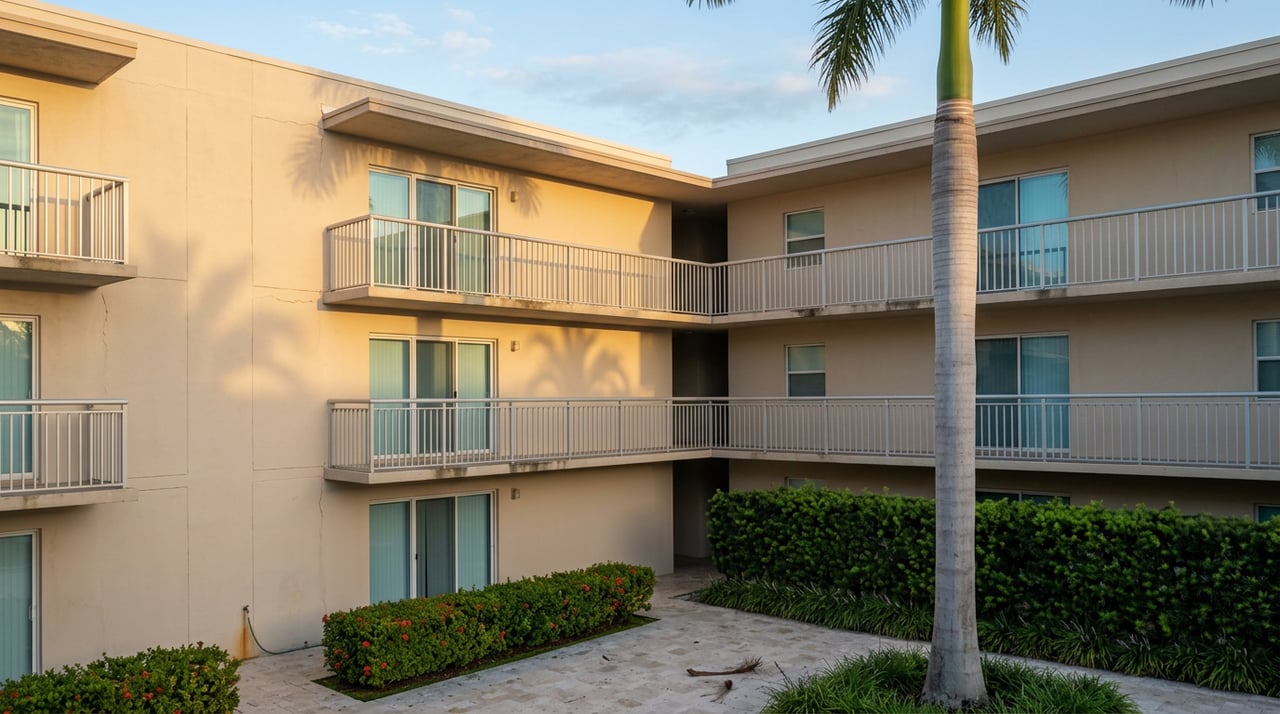
“Turnkey” often means furnished and rental-ready, if the association allows rentals. Always confirm rental rules, minimum lease terms, and any restrictions in the resale package. Association finances matter, too. Low reserves or pending special assessments can turn a turnkey purchase into a surprise expense. The condo resale documents required by Chapter 718 should include financials, insurance information, and any pending litigation.
Single-family homes here
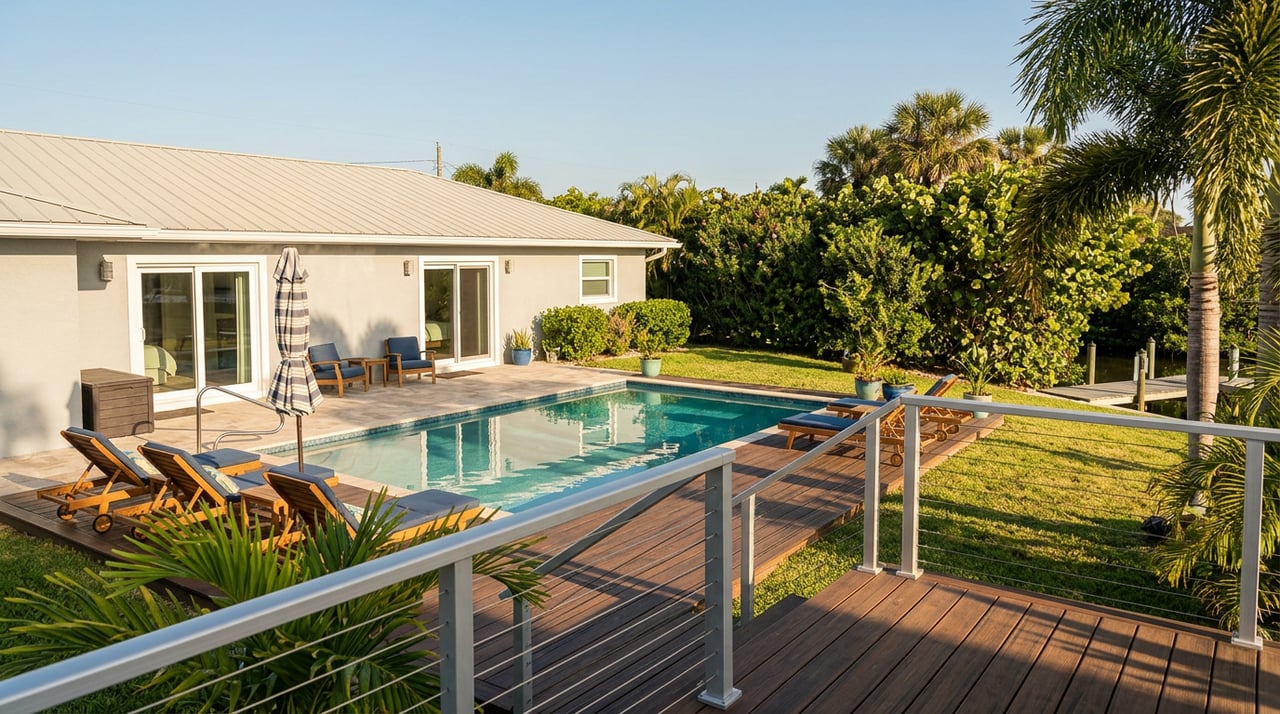
For single-family properties, turnkey can include yard care readiness, maintained pool equipment, and well-kept docks or seawalls. Waterfront and elevated homes benefit from added inspection focus on foundations, pilings, and marine structures. Verifying permits for roofs, HVAC replacements, additions, and dock or seawall work is especially important. Check records with the Martin County Building Department.
Prove it in writing
Contract terms that protect you
“Turnkey” should be translated into clear contract language. Consider:
- Written inventory and bill of sale: Itemize all furnishings, appliances, and decor to be conveyed, with photos when practical.
- System condition representations: Require the seller to confirm HVAC, water heater, and major appliances are in working order as of contract date, and provide service records.
- Permit history: Ask the seller to warrant that material renovations were permitted and finalized, with documentation.
- Repair standards and deadlines: Use escrow holdbacks or credits if items are not in working order before closing.
- Waterfront clause: For docks and seawalls, require a structural inspection and list remedies if major defects are found.
Inspections to prioritize
A thorough inspection suite is how you validate turnkey claims. Start with a licensed general home inspection under recognized standards such as ASHI’s Standards of Practice or InterNACHI’s SOP, then add coastal-specific checks:
- Roof inspection or certification: Confirm age, condition, and storm-related wear.
- HVAC evaluation: Salt air can accelerate corrosion on outdoor units.
- Electrical and plumbing: Verify capacity, GFCI protection, leaks, and pipe materials.
- WDO inspection: A termite or wood-destroying organism inspection is standard in Florida. See the Florida Department of Agriculture & Consumer Services WDO resources.
- Moisture and mold assessment: Look for past water intrusion.
- Foundation, pilings, and structural: Especially for elevated or waterfront homes.
- Seawall and dock inspection: Use a marine contractor or coastal engineer.
- Flood and elevation: Confirm FEMA zone and obtain an elevation certificate if needed via the FEMA Flood Map Service Center.
- Wind mitigation report: Can lower hurricane insurance premiums.
- Pool and spa inspection: Equipment, structure, and safety features.
- Septic versus sewer: Inspect septic systems and confirm service history if applicable.
Lender and insurance checks
Your lender may not finance homes with certain defects or missing documents. Start insurance quotes early for homeowner, wind, and flood coverage. Flood zones like AE or V can carry higher premiums, and wind credits depend on features documented in your mitigation report. For condos, confirm master policy coverage and any loss assessment exposure.
Pitfalls to avoid
- Vague furnishing promises: “Furnished” without a written inventory invites disputes.
- Cosmetic cover-ups: Fresh paint over stains can hide leaks or past moisture issues.
- Unpermitted upgrades: Beautiful kitchens and baths need permit and final inspection proof.
- Association risk: Low reserves, litigation, or pending assessments can add major costs.
- Marine structures ignored: Uninspected seawalls or docks can require expensive repairs.
- Insurance surprises: High flood or wind premiums can derail budgets or approvals.
- Rental rule misunderstandings: A furnished condo is not automatically rental-eligible under association rules.
Buyer validation checklist
- Get a detailed, photographed inventory and a bill of sale for all furnishings and decor included.
- Request the condo or HOA resale package. Review rental rules, budgets, reserves, insurance, meeting minutes, and any assessments.
- Order a full home inspection plus WDO, roof, wind mitigation, and elevation certificate. Add seawall and dock inspections for waterfront homes.
- Pull permit history for renovations, roofing, HVAC, docks, and seawalls using the Martin County Building Department.
- Obtain preliminary insurance quotes for homeowner, wind, and flood using the address and elevation data.
- Compare seller disclosures with your inspection results. Negotiate repairs, credits, price adjustments, or escrow holdbacks as needed.
- Collect copies of any transferable warranties and manuals before closing.
Recommended contract language
Use simple, specific language so “turnkey” means the same thing to everyone:
- “Seller will deliver the furnishings listed in Exhibit A, in the condition shown in the attached photos, transferred by bill of sale at closing.”
- “Seller represents that the HVAC, water heater, and major appliances are in working order as of the contract date and will provide service records and any transferable warranties.”
- “Seller warrants that all material renovations were completed with required permits and final inspections and will provide permit documentation.”
- “Buyer’s inspection contingency will specify allowable repair items, timelines, and either completion before closing or agreed credits.”
- “If waterfront improvements are present, the parties will obtain a seawall and dock inspection. If major defects are found, the parties will negotiate repair, credit, or termination per contract.”
Local resources
- FEMA Flood Map Service Center: Confirm flood zone and find elevation needs.
- Florida Statutes Chapter 718: Condominium resale disclosures and rules.
- Florida Statutes Chapter 720: HOA governance and disclosures.
- Martin County Building Department: Permit history and code records.
- ASHI Standards of Practice and InterNACHI SOP: What a general home inspection covers.
- Florida Department of Agriculture & Consumer Services WDO: Termite and WDO inspection info.
Ready to make “turnkey” real?
If you want a Jensen Beach home you can enjoy on day one, define “turnkey” in writing, validate it with inspections, and confirm insurance early. You will get a smoother closing and fewer surprises after move-in. When you are ready, we can help you source the right property, negotiate clear terms, and coordinate the steps that make turnkey truly turnkey.
Looking for hands-on guidance from a boutique team with renovation and coastal know-how on the Treasure Coast? Reach out to Renny Realty to Schedule a Consultation.
FAQs
What does “turnkey” mean in Jensen Beach real estate?
- It signals move-in-ready condition without major repairs, but it is a marketing term. You should define inclusions, condition, and timelines in the contract and verify through inspections.
What is typically included in a turnkey sale for condos?
- Often furnishings, working appliances, clean interiors, and basic housewares. Confirm with a written inventory and review condo documents for rules, assessments, and insurance details.
How do flood zones affect a “turnkey” purchase in Jensen Beach?
- Flood zones influence insurance cost and lender requirements. Use the FEMA Flood Map Service Center to confirm zone and obtain an elevation certificate if needed.
What inspections are critical for coastal single-family homes?
- General home, roof, WDO, wind mitigation, and, if waterfront or elevated, structural, piling, and seawall or dock inspections. Add pool and septic inspections when applicable.
What condo documents should I review before buying a “turnkey” unit?
- Review the statutory condo resale package under Florida Chapter 718, including financials, reserves, meeting minutes, insurance, rental rules, and any pending special assessments.
How can I verify that renovations were permitted?
- Request permit documentation from the seller and cross-check records with the Martin County Building Department. Ensure work shows final inspections.
Can a “turnkey” listing still have high insurance costs?
- Yes. Even a nicely finished home can have high wind or flood premiums based on construction features and flood zone. Get quotes early using wind mitigation and elevation data.