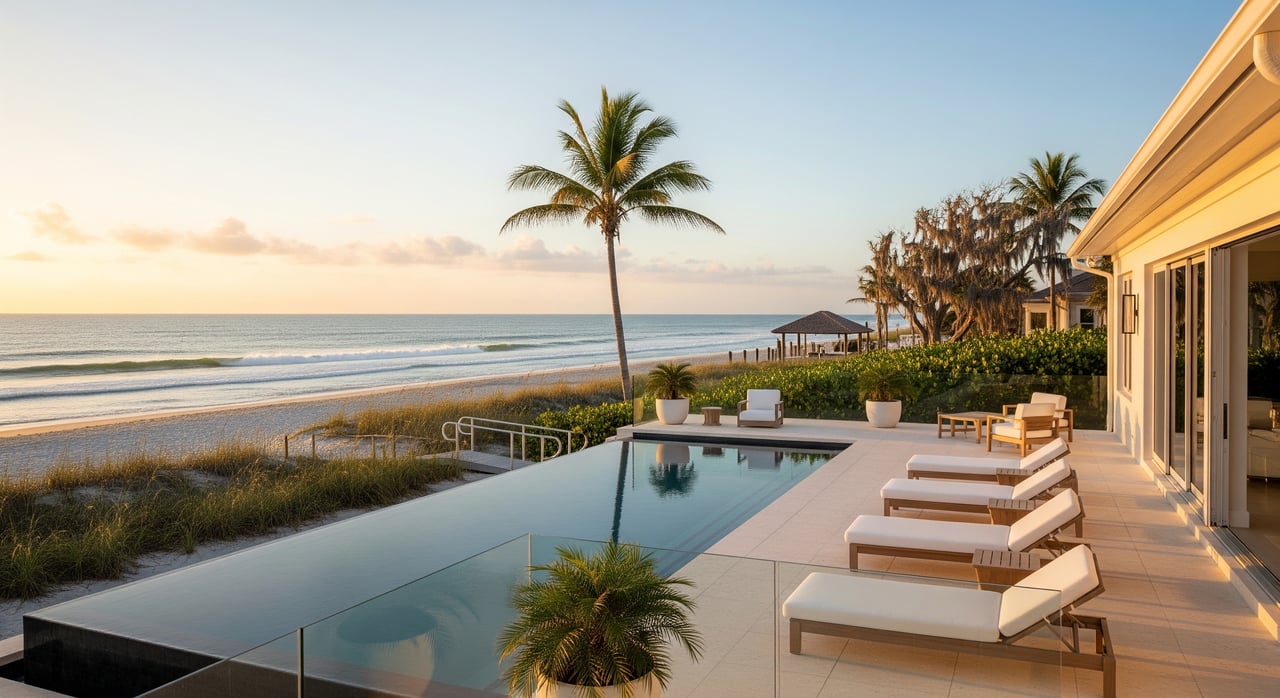
Beach at sunrise or glassy lagoon at sunset? If you are deciding between oceanfront and Indian River living in Vero Beach, you are asking the right question. Both settings are beautiful, but they feel very different in daily life and in ownership costs. In this guide, you will compare lifestyle, property types, risk and insurance, maintenance, and resale so you can focus your search with confidence. Let’s dive in.
Vero Beach’s two waterfronts
Vero Beach sits on Florida’s Atlantic coast with a barrier island that faces the open ocean and a long stretch of the Indian River Lagoon on the west side. The oceanfront brings sandy beaches, surf, and stronger sea breezes. The Indian River side offers calmer, brackish waters with mangroves, marinas, and protected coves.
The ocean side is exposed to Atlantic wave action and direct storm surge. The river side is more sheltered, with water levels shaped by tides, rainfall, and inlet conditions. Your choice comes down to how you plan to use the water and what you want to see out your windows.
Oceanfront lifestyle: what to expect
If you want to step from your door onto the sand, oceanfront delivers. You get easy beach walks, sunrise views, beachcombing, and surf or open-ocean fishing. Sea breezes can feel cooler and more constant.
Activity can vary by block. Homes and condos near public beach accesses and commercial areas can see more foot traffic and seasonal visitors. Many central oceanfront streets are walkable to beachfront shops and dining, which is a plus if you like a park-once day.
Indian River lifestyle: what to expect
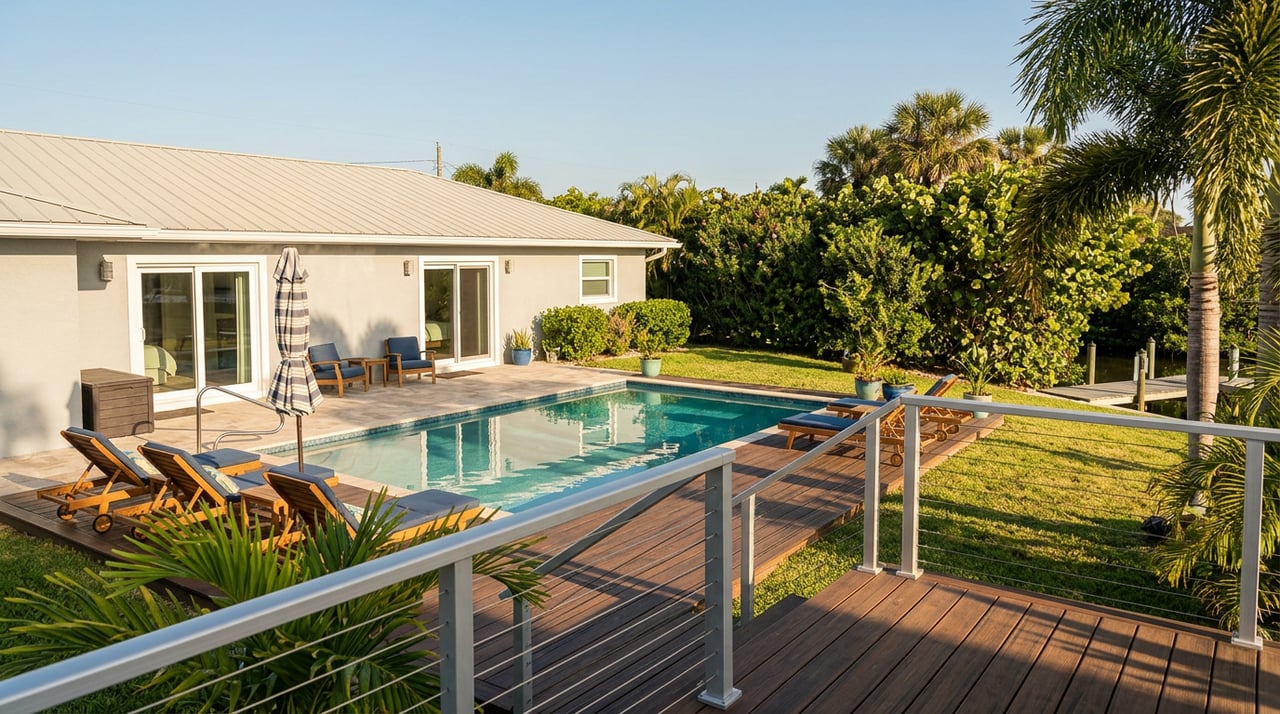
On the Indian River, life centers on boating and quiet water. You see kayaks, paddleboards, in-shore fishing, and manatee and bird sightings. Sunsets over the lagoon are a daily show, and the water is often calm enough for small-craft launching from a private dock.
Riverside neighborhoods tend to feel more residential and tranquil. You may notice more activity near marinas or popular launches, but many stretches are peaceful. Depending on your exact location, you can be close to either the beachside village or downtown services.
Property types and pricing drivers
Oceanfront inventory includes single-family homes on dune lots, oceanfront condos, and a mix of older cottages and new luxury builds. Lot widths, direct beach access, building condition, and condo amenities drive value. Beachfront scarcity supports premium pricing.
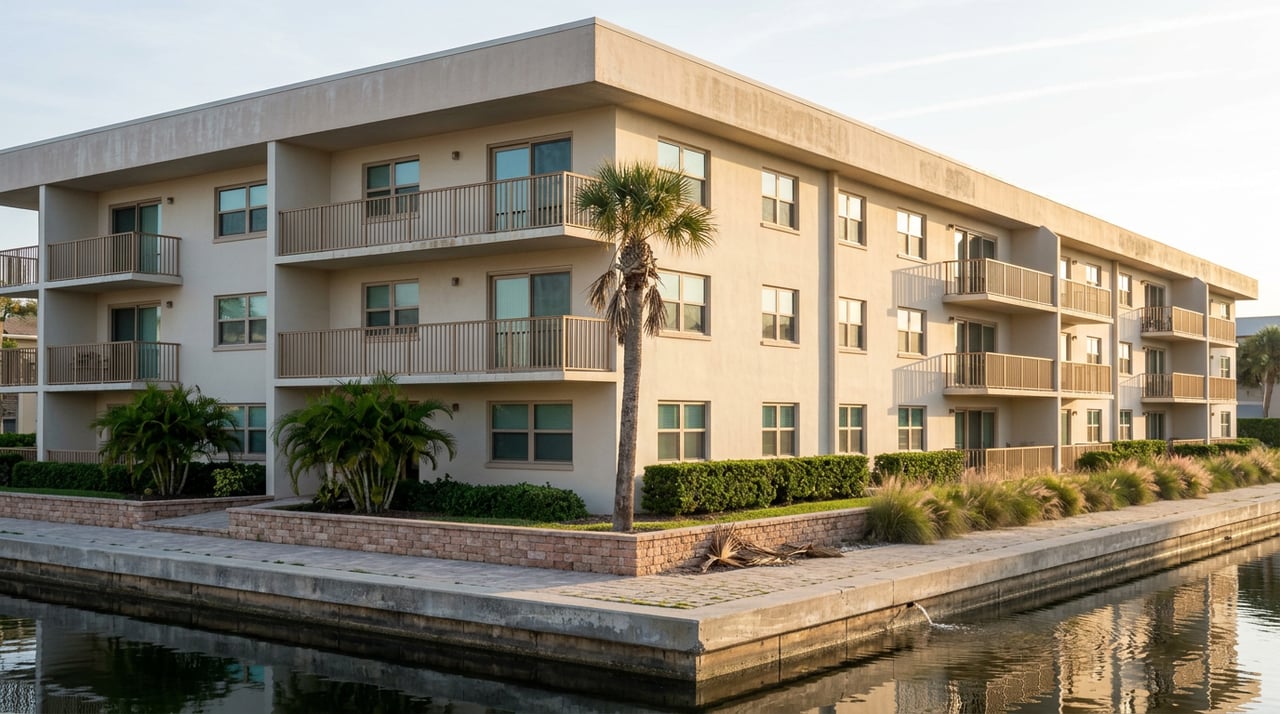
Indian River inventory includes single-family homes with docks, riverfront condos and townhomes, and marina-front complexes. Many parcels have seawalls or bulkheads. While riverfront often trades at a discount to oceanfront, large lots, deep-water dockage, and exceptional views can push values higher.
Condos on both sides can offer lower entry price points, but you will want to review HOA fees, reserves, and rental rules. Single-family homes provide more control and privacy, often at higher purchase and maintenance costs.
Flood zones, insurance, and risk
Flood and wind risk are real factors in coastal Florida. Understanding them early helps you set a smart budget and avoid surprises.
Flood zones and surge exposure
- Oceanfront parcels are frequently in FEMA VE zones, which signal coastal high hazard and wave action. These areas require elevated construction and stricter standards.
- Many riverfront parcels fall in AE or A zones, and some may also sit in VE depending on local elevation. Lenders typically require flood insurance when a structure is in a Special Flood Hazard Area.
Insurance basics and pricing
- FEMA’s Risk Rating 2.0 prices National Flood Insurance Program policies using property-specific factors. Premiums can vary widely, so request current quotes for the exact property and an elevation certificate if available.
- Private flood insurance options have expanded, and some buyers find competitive rates. Compare both NFIP and private quotes.
- Florida homeowners policies include wind coverage. Premiums reflect hurricane risk. Wind mitigation features, roof age, and opening protections can lower costs based on inspection reports.
Construction and resilience
- Oceanfront homes face direct wave action and storm surge. Elevated foundations and pilings are common in VE zones.
- Riverfront homes can experience surge funneled through the lagoon and localized flooding from heavy rain. Community drainage and site grading matter.
- For long-term planning, consider sea-level rise and local adaptation efforts. Dune restoration on the ocean side and seawall maintenance on the river side are typical measures.
Maintenance, permits, and environmental rules
Waterfront living brings extra upkeep and permitting steps. Build these into your plan and timeline.
- Seawalls and bulkheads: Many riverfront homes rely on seawalls. Condition and permitted status affect cost, liability, and future work. Replacement and repair can require state and federal permits.
- Dunes and setbacks: Oceanfront lots often include protected dunes and coastal construction setback lines. Beach nourishment and dune protection rules limit what you can build or alter.
- Docks and lifts: Indian River docks and boatlifts require permits and must account for seagrasses, mangroves, and navigation channels. Size, location, and environmental impacts can constrain design.
- Salt and corrosion: Salt air affects both sides. Expect more frequent exterior paint, metal hardware replacement, and HVAC maintenance. Docks, pilings, and boatlifts need periodic marine-grade care.
- Lagoon health and utilities: Water quality in the Indian River Lagoon is an ongoing regional focus. Septic-to-sewer conversions are a priority in some areas. Knowing if a property uses municipal sewer or septic can influence your decision and future costs.
- HOA and rentals: Many oceanfront condos and some riverfront communities limit short-term rentals or set minimum stays. Always review bylaws, reserves, parking rules, and special assessments before you write an offer.
Buyer checklist for Vero waterfront
Use this quick list to keep your search focused and your due diligence complete.
- FEMA flood zone map for the parcel, plus any letters of map change.
- Elevation certificate, if available, to inform flood pricing and building plans.
- Current flood and wind insurance quotes, including NFIP and private options, plus premium history.
- Claims history for flood and wind events from seller disclosures and public records.
- Seawall, dock, and lift condition reports, permits, and replacement cost estimates.
- HOA or condo documents, dues, reserves, master insurance coverage, rental rules, and any special assessments.
- Building permits and code compliance for remodels, plus roof age and condition.
- Survey and setback data, including coastal construction control lines and dune protections.
- Neighborhood shoreline or erosion studies and any planned public works projects, such as beach nourishment or stormwater upgrades.
- Utility details, including water source and sewer versus septic, plus any planned sewer expansions.
- Boating specifics, such as canal or lagoon depth, no-wake zones, and proximity to deep-water access.
- Site visits at high tide and during heavy rain to observe drainage and access during peak season.
Which side fits your priorities
Every buyer values different things. Use these signals to narrow your focus.
- Choose oceanfront if you prioritize: direct beach access, ocean views, sunrise exposure, surf and swimming, walkable beachside amenities, and the long-term scarcity value of true beachfront.
- Choose Indian River if you prioritize: boating and private dockage, calmer waters, sunset views, wildlife watching, quieter residential streets, and often larger or more sheltered lots.
Resale and investment notes
Oceanfront property often holds a strong valuation position because of limited supply and direct beach frontage. Performance still depends on maintenance, storm history, and broader market cycles.
On the river side, homes with well-designed docks, good water depth, and protected locations attract committed boaters and tend to resell well. Condos on either side can be a practical entry point, but returns depend on HOA health, reserves, and rental policies. Short-term rental demand is usually stronger near the beach, though actual results hinge on community rules and seasonal patterns.
Next steps with a trusted advisor
You deserve a search plan built around your lifestyle and risk tolerance. Our team blends local market knowledge with hands-on renovation and project management insight, so you can compare properties on both sides with clear numbers for insurance, seawalls and docks, elevation, and permitting. If you want a single point of contact who can source opportunities and guide improvements, connect with Renny Realty to schedule a consultation.
FAQs
What is the main lifestyle difference between oceanfront and Indian River living in Vero Beach?
- Oceanfront centers on beach access, surf, and sunrise views, while the Indian River focuses on boating, calmer waters for small craft, wildlife viewing, and sunset views.
How do flood zones typically differ for oceanfront vs riverfront homes in Vero Beach?
- Oceanfront parcels are often in VE zones with wave action and stricter build standards, while many riverfront parcels fall in AE or A zones, with risk varying by elevation and location.
Do Indian River docks and boatlifts require special permits?
- Yes, private docks and lifts usually require county and state permits and must account for seagrasses, mangroves, and navigation channels, which can limit size and placement.
Are insurance costs usually higher on the oceanfront?
- Often yes, because of direct exposure to storm surge and wave action; however, actual flood and wind premiums depend on property-specific factors, mitigation features, and current quotes.
What maintenance items should I prioritize during inspections on riverfront homes?
- Focus on seawall condition and permitted history, dock and piling integrity, electrical for lifts, and corrosion on metal components, plus general roof, HVAC, and exterior systems.