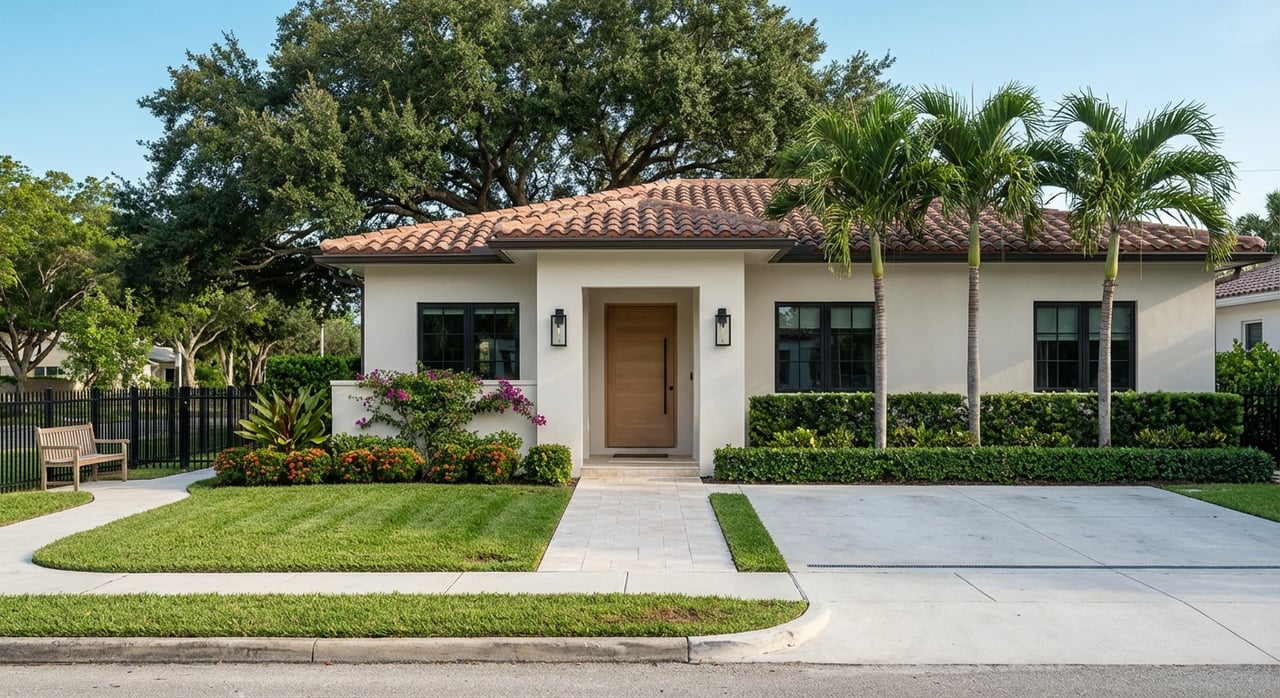
Thinking about a move to Parkland, Florida? You might be picturing tree‑lined streets, backyard space, and an easy drive to work across Broward or Boca. You also want clear facts on schools, parks, commute times, and typical homes. This guide gives you a grounded look at daily life so you can decide if Parkland fits your plan. Let’s dive in.
Parkland at a glance
- Population is about 39,700, and the city skews highly educated and high income according to U.S. Census QuickFacts. Median household income is near $199,000, the owner‑occupied rate is about 85 percent, and the reported median owner‑occupied home value is around $983,000. See the Census snapshot.
- Average one‑way commute runs about 32.5 minutes, which reflects Parkland’s role as a suburban base for jobs across Broward and Palm Beach counties. View commute data.
- Day to day, the feel is suburban and parks‑forward with a mix of gated communities, estate lots, and planned neighborhoods. City programming and recreation are a big part of local life.
Neighborhood feel and lifestyle
Parkland leans green and residential. You see wide setbacks, sidewalks in many areas, and a strong parks and programs culture. The vibe is suburban with a luxury tilt rather than urban high‑rise.
Parks and community events
Pine Trails Park is the hub for youth sports, walking paths, an amphitheater, and the Parkland Recreation & Enrichment Center. The facility anchors concerts, outdoor movies, and seasonal programs. Get a sense of the park’s scale and amenities from this overview of Pine Trails Park, and browse the city’s community event series for a taste of what happens in season.
Equestrian and outdoor life
Parkland keeps an equestrian thread in its identity. The city operates an Equestrian Center at Temple Park, and some residential sections permit horses on larger lots. Riders find lessons, small shows, and boarding options in and near the city.
Golf and private clubs
If club life is on your list, Parkland Golf & Country Club centers on a Greg Norman–designed course with family‑focused amenities. Several gated neighborhoods in Parkland follow that amenity‑driven model.
Schools and options
Parkland is served by Broward County Public Schools. Marjory Stoneman Douglas High School is the zoned high school for much of the city, and elementary and middle schools are assigned by address. Because assignments can change, it is best to use the district’s official tools for the latest boundaries and choice windows. Explore Broward County Public Schools School Choice for current guidance.
You also have K–8 charter availability in town at Somerset Parkland Academy. Families often compare district schools, charter options, and nearby private programs in Coral Springs and Boca Raton. When planning a move, verify your exact address assignment and any choice timelines with the district.
Housing and neighborhoods
Most housing in Parkland is single‑family. You will find a range of lot sizes from standard suburban lots to 1‑acre or larger estate sections with equestrian allowances in some areas. Gated master‑planned communities offer smaller‑lot living with shared amenities.
Examples that often come up in a Parkland search include Pine Tree Estates, Heron Bay, and Parkland Golf & Country Club. For a quick overview of product types and lot patterns across the city, review this snapshot of Parkland housing styles and neighborhoods.
Pricing sits above the Broward County average. Major real estate indexes commonly place median values near the seven‑figure mark, while the U.S. Census reports a median owner‑occupied value around $983,000. Your price will vary by neighborhood, age of home, lot size, and recent updates.
Getting around and commute
Parkland is mostly car‑dependent for daily life. The average commute is about 32.5 minutes, and many residents drive to employment centers in Fort Lauderdale, Coral Springs, and Boca Raton. Census data reflects that pattern.
The Sawgrass Expressway, State Road 869, is the key regional connector and links you toward I‑75, I‑595, and I‑95. Ongoing improvements highlight its importance in the regional network. See the state’s update on the Sawgrass Expressway widening project.
Public transit options exist at the county level, though services are limited for many Parkland addresses. If a specific route matters, check the latest schedules before you choose a neighborhood.
Services, shopping, and healthcare
You are within a typical drive of major shopping, dining, and services. Many residents plan for healthcare at hospitals in Deerfield Beach, Coral Springs, Boca Raton, and Fort Lauderdale. Depending on traffic and destination, expect travel times in the 20 to 40 minute range for many facilities in the region, as noted in the regional economic sourcebook for Broward and Palm Beach counties.
Climate, seasons, and safety
Parkland shares South Florida’s warm, humid climate. Winters are mild, summers are hot and wet, and Atlantic hurricane season runs June through November. For historical climate normals in the Fort Lauderdale area, review the NOAA climate summary. When you buy, it is common to evaluate flood zones, elevation, and insurance with your agent and a local insurance professional.
On safety, year‑to‑year summaries show that overall violent crime counts are typically low for a city of Parkland’s size, while property incidents vary by period. Because small changes can swing per‑capita rates, it is best to review current data directly with the Parkland Police Department or the FBI Crime Data Explorer for the latest counts.
Is Parkland right for you?
If you want space, strong public parks, and convenient access to Broward and Boca, Parkland delivers a calm, suburban lifestyle. You can choose between estate lots with room to spread out or gated communities with shared amenities. Schools, commute, and price point vary by neighborhood, so a clear plan helps you focus your search.
If Parkland is on your list, let us be your guide. From neighborhood comparisons to renovation ideas that unlock value, you get boutique, founder‑level service and practical advice. Connect with Renny Realty to map your move.
FAQs
What is the cost of homes in Parkland, Florida?
- Parkland’s pricing sits above the Broward average, and major indexes commonly place median values near the seven‑figure mark. The U.S. Census reports a median owner‑occupied value around $983,000 for recent years.
How are Parkland public schools assigned to homes?
- Parkland is served by Broward County Public Schools, and assignments depend on your address. Use the district’s School Choice and boundary tools to confirm current zoning and options.
Do you need a car to live in Parkland?
- Yes, most residents rely on a car for commuting and errands. The average one‑way commute is about 32.5 minutes, and regional access runs through the Sawgrass Expressway. Census data reflects typical drive patterns.
What are common home and lot types in Parkland?
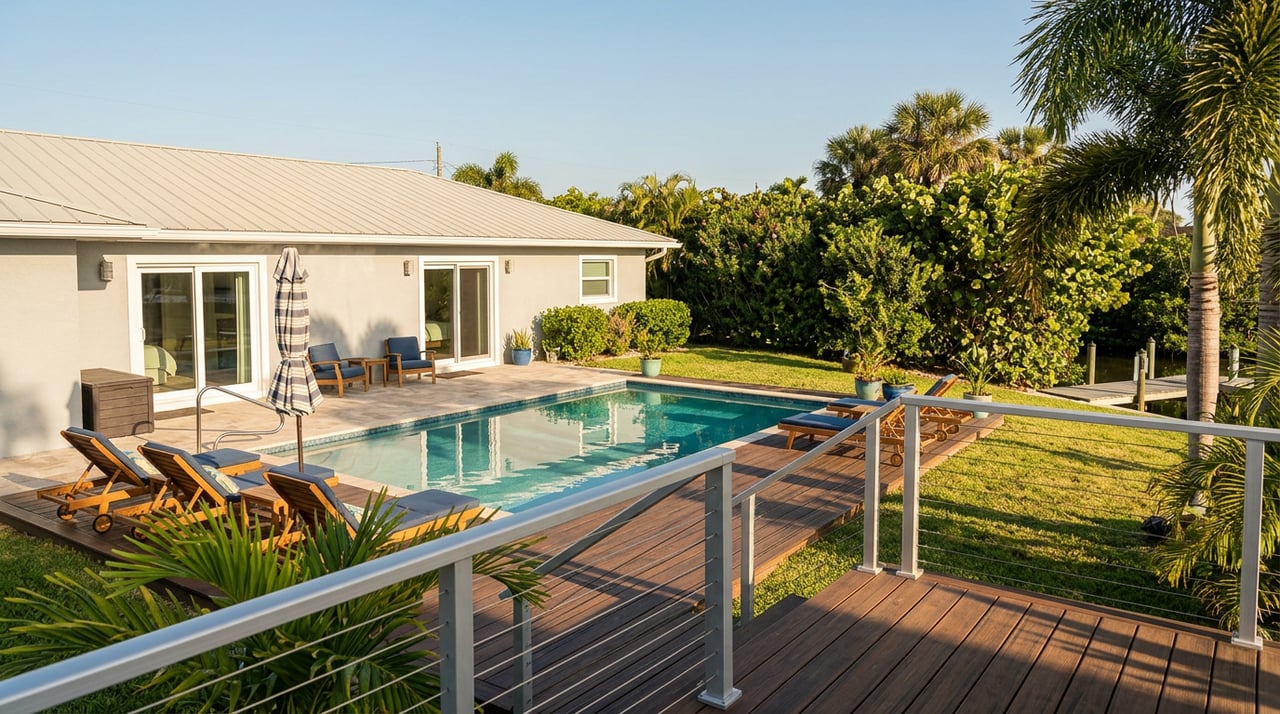
- You will find single‑family homes with yards and pools, estate sections with 1‑acre or larger lots in some areas, and gated communities with shared amenities. See an overview of Parkland housing types.
What are popular things to do on weekends in Parkland?
- Check out events at Pine Trails Park and the city’s community series, ride at the Equestrian Center, or play golf at Parkland Golf & Country Club. Browse the city’s events lineup to plan your calendar.