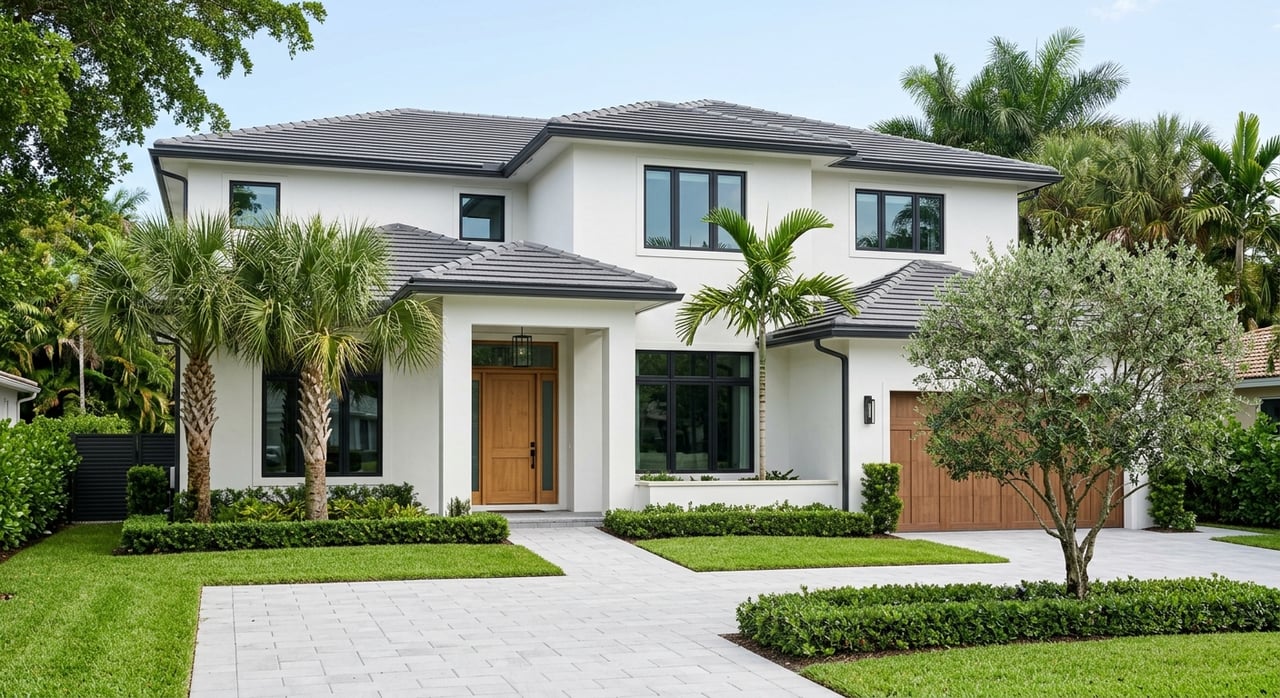
Trying to choose between Parkland and Coral Springs? If you are relocating, moving up, or simply looking for a better fit for your budget and lifestyle, this decision can feel surprisingly close at first glance. The good news is that the numbers tell a pretty clear story, and once you line up price, housing style, amenities, schools, and commute patterns, the better match often comes into focus fast. Let’s dive in.
Parkland vs. Coral Springs at a glance
Parkland and Coral Springs sit near each other in Broward County, but they offer two distinct living experiences. Parkland is smaller, less dense, and more centered on owner-occupied, single-family housing. Coral Springs is larger, denser, and offers a broader mix of homes, amenities, and price points.
If you want the shortest version, Parkland tends to appeal to buyers looking for a higher-budget, lower-density suburban setting. Coral Springs tends to work well for buyers who want more flexibility, more inventory, and more day-to-day convenience across a larger city. The best choice depends on what matters most to you.
Home prices and market pace
One of the biggest differences between these two cities is cost. In Parkland, the median value of owner-occupied homes is $983,000, according to Census QuickFacts. In Coral Springs, that figure is $545,400.
That pricing gap also shows up in current market activity. In April 2026, Realtor.com reported a median sold price of about $1.055 million in Parkland, compared with $550,000 in Coral Springs. Both markets were described as balanced, but Parkland was selling at roughly double Coral Springs' median sold-price level.
Inventory is also meaningfully different. Parkland had 255 homes for sale in that same snapshot, while Coral Springs had 799. If you want more options to compare before making an offer, Coral Springs gives you a bigger field.
Days on market show a small difference in pace. Parkland posted a median of 47 days on market, while Coral Springs came in at 61 days. That does not mean one city is always easier to buy in than the other, but it does suggest Parkland listings were moving a bit faster in that snapshot.
City size and housing character
Parkland is the smaller city by a wide margin. Census QuickFacts lists Parkland at 39,700 residents in 2024, spread across 12.5 square miles. Coral Springs had 140,808 residents across 22.86 square miles.
Density adds another layer to the feel of each place. Parkland had 2,772.9 people per square mile, while Coral Springs had 5,878.0. In practical terms, that points to Parkland feeling more spread out, while Coral Springs feels more built-up and active.
The housing mix also helps explain the difference. Census Reporter profile data shows Parkland is about 90% single-unit housing, while Coral Springs is about 62% single-unit housing. That suggests Parkland is more consistently single-family in character, while Coral Springs offers a more mixed housing base.
Ownership patterns and neighborhood setup
Ownership rates can shape how a market feels over time. Parkland has an owner-occupied housing unit rate of 85.1%, compared with 60.3% in Coral Springs. That supports the idea that Parkland is more owner-focused, while Coral Springs includes a broader mix of ownership and other housing arrangements.
HOA structure is common in both cities, but the setup appears more subdivision-centered in Parkland. The City of Parkland publishes a homeowners associations directory with many named communities. Coral Springs also references mandatory homeowners associations and registered neighborhood associations through its Neighborhood Partnership Policy.
Taken together, the official sources suggest Parkland is the more association-oriented of the two markets. If you prefer a community structure with more defined subdivision identity, Parkland may feel like the better fit. If you want a wider mix of neighborhood formats, Coral Springs may offer more variety.
Schools and address-based zoning
If schools are part of your move, it is important to stay specific. Broward County Public Schools assigns students by residential address, so you should always verify the exact school zone before making assumptions about any property. The district directs families to use its Find My School tool for address-specific assignment.
Looking at the 2024 BCPS school grades, Parkland’s immediate public-school snapshot appears more uniform. Heron Heights Elementary, Park Trails Elementary, Riverglades Elementary, Westglades Middle, and Marjory Stoneman Douglas High were all graded A.
Coral Springs presents a more mixed picture in the same report. Coral Park Elementary was graded A, Coral Springs Elementary was graded C, Coral Springs Middle was graded A, Ramblewood Middle was graded A, Sawgrass Springs Middle was graded A, and Coral Glades High, Coral Springs High, and J. P. Taravella High were each graded B.
The practical takeaway is not that one entire city can be summed up by a single school label. It is that Parkland’s nearby public-school profile looked more consistently strong in this 2024 snapshot, while Coral Springs showed more variation by address. If schools are high on your list, property-level school-zone verification matters.
Parks, recreation, and daily lifestyle
Parkland leans hard into parks, trails, and outdoor community spaces. The city lists destinations such as 6 Acre Wood Park, Barkland Dog Park, Covered Bridge Park, Doris Davis Forman Wilderness Preserve, Pine Trails Park, Terramar Park, and Wedge Preserve Park. Its Parks and Recreation page also highlights city events like the farmers market, Halloween Festival, Movies in the Park, and Snowfest.
Coral Springs offers a larger civic amenity base. The city says it maintains 49 parks and operates the Aquatic Complex, Tennis Center, Gymnasium, and a free community bus service for residents. Its economic development pages also point to an active downtown redevelopment effort centered on retail, restaurants, entertainment, and mixed-use projects.
This is one of the clearest lifestyle splits between the two cities. Parkland reads as a more park- and trail-focused suburban environment. Coral Springs offers a broader mix of recreation, civic facilities, and commercial activity.
Commute routes and mobility
Your daily routine matters just as much as the home itself. Parkland’s transportation profile is more constrained and more car-dependent, according to the city’s comprehensive plan. Roads connect almost exclusively east and south, the Sawgrass Expressway runs along the southern border with three interchanges serving the city, and there are no airport, port, or rail lines within city limits.
Coral Springs appears to offer more internal route redundancy and a more visible citywide mobility network. The city’s University Drive project describes widening the corridor toward the Sawgrass Expressway, and the community shuttle includes stops across key points in the city.
Commute-time data also gives Coral Springs a modest edge. Census QuickFacts lists mean travel time to work at 29.9 minutes in Coral Springs versus 32.5 minutes in Parkland. That is not a dramatic gap, but if you are thinking about day-to-day efficiency, it is worth noting.
Which buyers may prefer Parkland
Parkland may be the stronger fit if you want a more defined suburban setting and you are comfortable with a higher price point. The data points to lower density, a more owner-occupied market, and a housing stock dominated by single-unit homes. It also shows a more uniform immediate public-school grading snapshot in 2024.
You may also prefer Parkland if you like the feel of named communities and HOA-centered neighborhoods. Its amenity profile supports a lifestyle built around parks, trails, and community events rather than a larger urban-style amenity mix. For many buyers, that creates a quieter, more residential rhythm.
Which buyers may prefer Coral Springs
Coral Springs may be the better fit if you want more options and more flexibility. With 799 homes for sale in the April 2026 market snapshot, buyers had a much larger inventory to choose from. The lower median sold price also opens the door to a broader range of budgets.
You may also lean toward Coral Springs if you value a wider mix of home types, city amenities, and mobility features. The city combines parks and recreation with civic facilities, redevelopment activity, and a free community bus service. If your goal is to balance price, convenience, and choice, Coral Springs deserves a close look.
How to make the right decision
If you are still deciding, focus on the factors that will shape your daily life the most. Start with your budget, then weigh home type, commute patterns, school-zone needs, and the kind of neighborhood setup you want. A city can look great on paper, but the right move usually comes down to how you want to live each day.
It also helps to compare these markets property by property, not just city by city. In a market where one area is more uniform and the other offers more variation, the specific neighborhood and home can make a major difference. That is where good local guidance becomes valuable.
If you are weighing Parkland against Coral Springs and want a clear, data-backed view of what fits your goals, Renny Realty can help you compare options, narrow the tradeoffs, and make your next move with confidence.
FAQs
What is the main price difference between Parkland and Coral Springs?
- Parkland is the higher-cost market, with a median sold price of about $1.055 million in April 2026, compared with $550,000 in Coral Springs.
What is the housing-style difference between Parkland and Coral Springs?
- Parkland is more heavily single-unit housing at about 90%, while Coral Springs has a more mixed housing base at about 62% single-unit housing.
What is the school-zone difference between Parkland and Coral Springs?
- Broward County Public Schools assigns schools by residential address, so you should verify each property’s exact school zone rather than rely on citywide assumptions.
What is the lifestyle difference between Parkland and Coral Springs?
- Parkland is more park- and trail-focused with a suburban community feel, while Coral Springs offers a larger civic amenity base, more parks overall, and a more active commercial environment.
What is the commute difference between Parkland and Coral Springs?
- Coral Springs has a modest commute-time edge, with a mean travel time to work of 29.9 minutes versus 32.5 minutes in Parkland, and it also offers a broader citywide mobility network.
What type of buyer may prefer Parkland over Coral Springs?
- Buyers who prioritize lower density, mostly single-family housing, a higher budget, and a more subdivision-centered suburban setting may find Parkland to be the better fit.