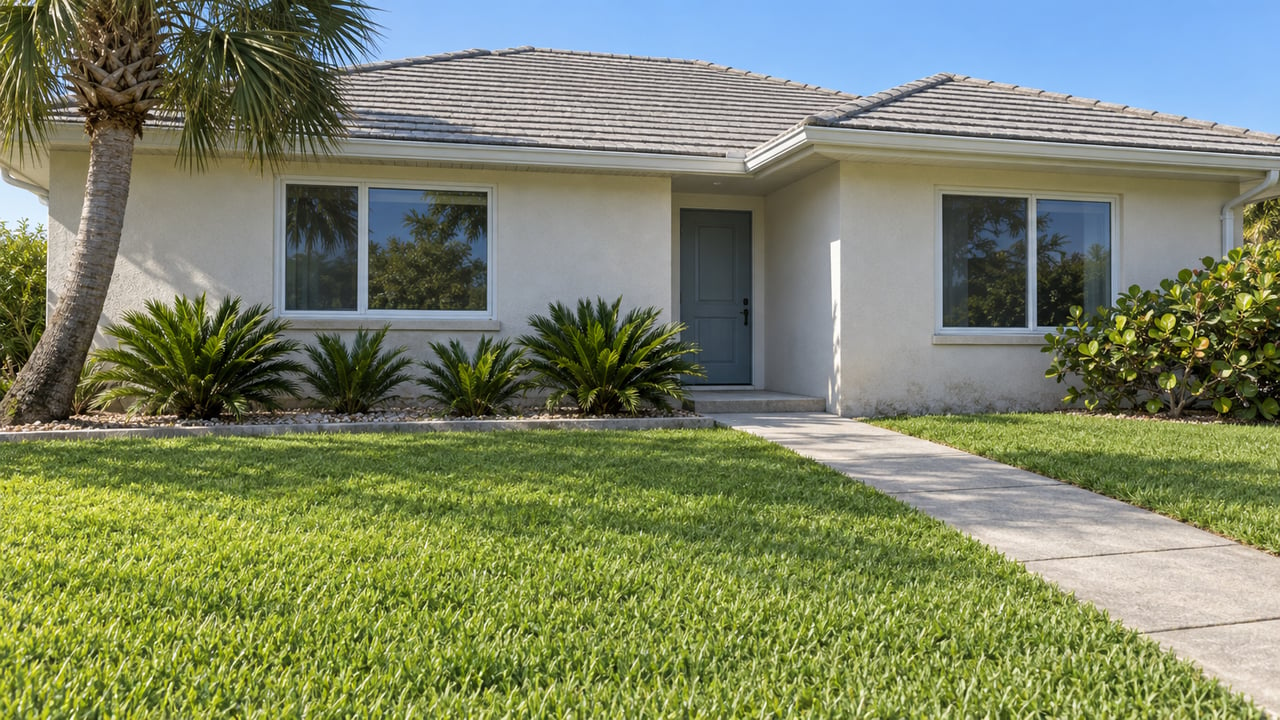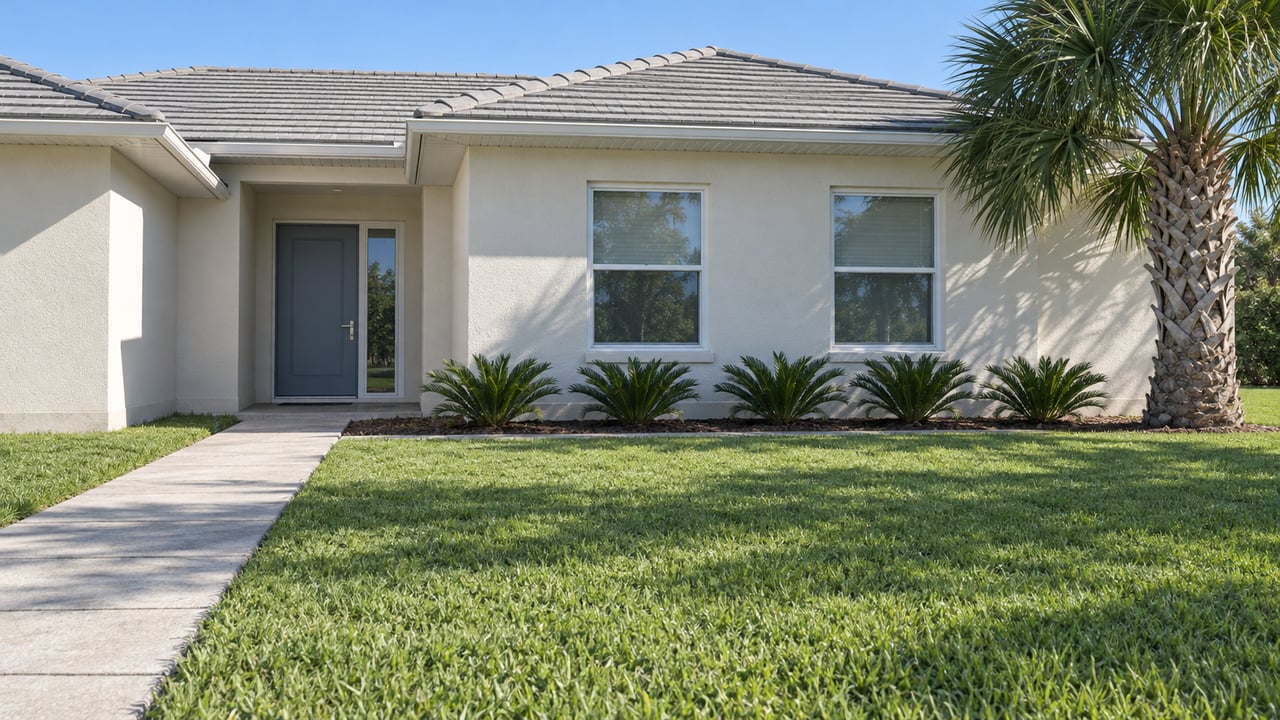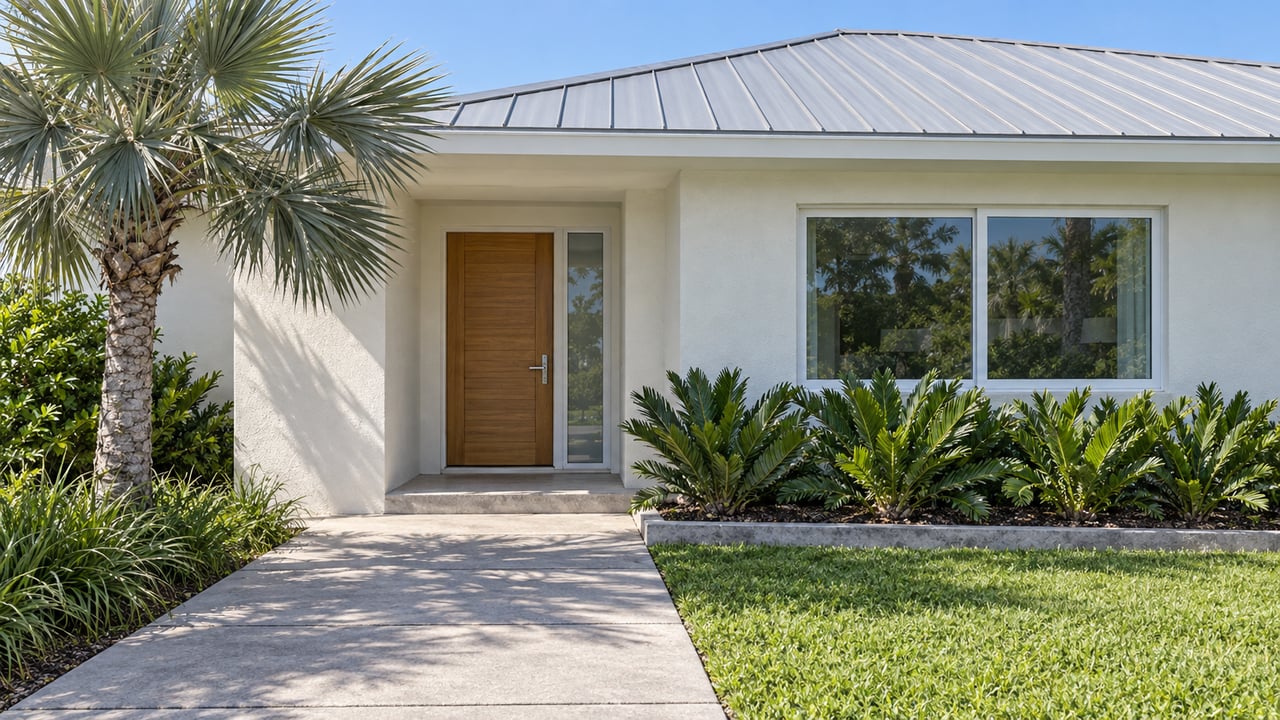
Selling a waterfront home in Stuart is not the same as selling a house a few streets inland. Buyers here are not only looking at square footage and finishes. They are also evaluating dock access, bridge timing, seawall condition, outdoor living, and the day-to-day reality of owning on the water. If you want to stand out and sell with fewer surprises, it helps to prepare for the way waterfront buyers actually shop. Let’s dive in.
Why Stuart waterfront homes need a different strategy
Stuart is deeply tied to the water. The City of Stuart describes the area as sitting where two rivers meet, and Martin County reports 4,820 waterfront parcels and 161 miles of shoreline. The city also maintains public dock information and bridge schedules for mariners, which says a lot about how boating access shapes daily life and property value here.
That local context affects how your home should be positioned. A waterfront buyer is not just buying a residence. You are often selling a mix of boating function, outdoor lifestyle, and access to the surrounding waterways.
Online presentation matters even more in this niche. The National Association of Realtors reports that more than 90% of buyers search online, and 85% say photos are the most important factor in deciding which homes to see. For a Stuart waterfront listing, buyers often make an early judgment based on the home’s view, dock, pool area, and water connection before they ever request a showing.
Get your waterfront paperwork ready early
Before you list, gather the documents that help buyers understand the property clearly. Martin County requires permits for dock and boatlift construction, and some shoreline stabilization work may also require surveys, site plans, grading details, erosion control plans, and in some cases a separate building permit.
That means your pre-listing file should be as complete as possible. If you have records, pull them together before pricing and marketing begin so you are not scrambling once a buyer starts asking questions.
Helpful documents often include:
- Dock and boatlift permits
- Seawall records and repair history
- Property surveys
- Service and maintenance records
- Warranties for waterfront improvements
- Prior inspection reports
- Records of drainage or shoreline work
This step is more than simple organization. Florida law requires real estate licensees to disclose known facts that materially affect the value of residential property when those facts are not readily observable to the buyer. If there is a hidden issue with the dock, seawall, drainage, or shoreline, it can quickly affect negotiations, buyer confidence, and your final sale price.
Treat outdoor living like a main feature
In Stuart’s boating and waterfront communities, outdoor space is not an afterthought. It is often one of the main reasons a buyer wants the home in the first place. Zillow’s 2024 buyer survey found that 70% of buyers consider private outdoor space very or extremely important.
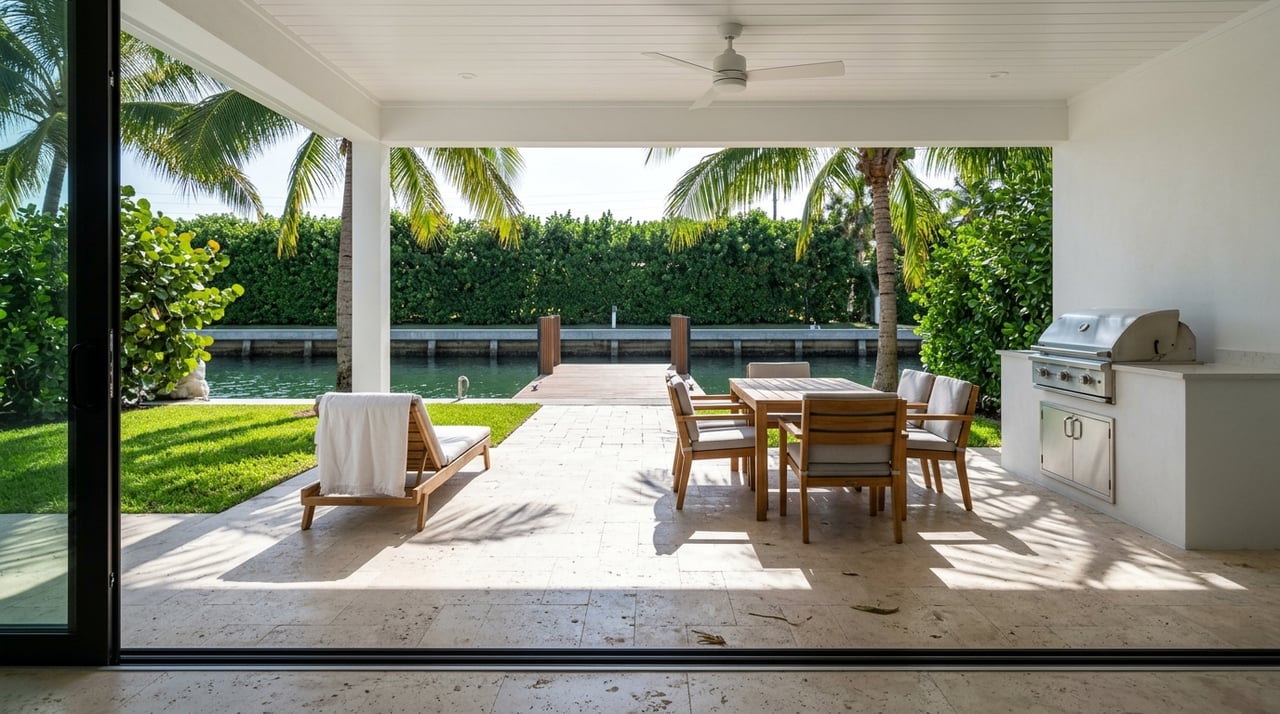
Your patio, lanai, pool deck, yard, and waterfront seating areas should be prepared with the same care as the kitchen or living room. Buyers want to picture how the property feels on a sunny afternoon, during dinner by the water, or before heading out by boat.
Simple improvements can help the space read better in person and online:
- Declutter dock and pool areas
- Clean pavers, railings, and outdoor furniture
- Trim landscaping to open key water views
- Stage seating areas to show conversation space
- Highlight dining or entertaining zones
- Make sure lighting, fans, and screens are working
Houzz has also reported that many homeowners are improving outdoor areas to extend living space. That lines up with what buyers tend to value in Stuart. If your outdoor setup feels usable, clean, and connected to the water, the listing usually tells a much stronger story.
Showcase the dock, water, and layout visually
Waterfront marketing needs strong visuals. According to the National Association of Realtors, 81% of buyers rated listing photos as the most useful feature in their online home search. NAR also recommends using photos, video, virtual tours, and floorplans to give buyers a fuller picture.
For Stuart homes, this means your media should do more than show attractive rooms. Buyers also want to understand how the home sits on the lot, how the backyard connects to the dock, and what the water access looks like from the property.
A strong visual package often includes:
- Professional photography of both interior and exterior spaces
- Clear images of the dock, boatlift, seawall, and waterfront edge
- Wide shots that show the yard-to-water relationship
- Video or walkthrough footage to show flow and scale
- A floorplan so buyers can understand the layout
- Elevated or aerial views when appropriate to show access and setting
This matters even more for second-home and out-of-region buyers. Zillow found that 70% of buyers said 3D tours help them get a better feel for a space than static photos. Many waterfront buyers are trying to narrow options from a distance, so your listing media should answer practical questions before they ask them.
Write listing copy that answers real buyer questions
Strong waterfront listing copy should be specific and factual. Instead of vague language, focus on the features that boating-minded buyers actually care about.
Useful details may include:
- Dock condition
- Boatlift age or capacity, if known
- Seawall status
- Outdoor entertaining features
- Water access route
- Known bridge constraints
- Recent repairs or mitigation work
This kind of description helps buyers evaluate fit early. It also supports a more transparent process, which matters in Florida because known material facts that are not readily observable should be disclosed rather than left to surface later.
Expect out-of-area buyers to ask tougher questions
Many Stuart waterfront homes attract buyers from outside the region. Those buyers often look at the property through a different lens. They may love the setting, but they also want a clear picture of ownership costs, flood exposure, insurance options, and long-term maintenance.
Flood insurance is one area where preparation matters. FEMA and Floodsmart note that most homeowners insurance policies do not cover flood damage and that flood insurance is separate. Lenders also require flood insurance in high-risk flood areas when the mortgage is federally backed.
Insurance can also affect whether a sale closes. The National Association of Realtors reported in 2024 that insurance has become a major barrier in some transactions, including Florida deals where buyers encountered unexpectedly high premiums late in the process.
As a seller, it helps to be ready to discuss:
- Flood zone status
- Insurance availability
- Prior claims history
- Repairs related to water intrusion or storm events
- Mitigation work already completed
Being prepared does not mean overselling the property. It means reducing uncertainty. Buyers are more comfortable moving forward when they feel the important questions have clear answers.
Boating access can influence buyer interest
In many Stuart waterfront sales, the home itself is only part of the decision. Buyers often compare how easy it is to use the water from one property versus another. They may ask about route practicality, bridge timing, dock usability, and how much upkeep the shoreline features require.
This is where local knowledge makes a difference. Stuart’s public mariner resources, dock information, and bridge schedule tools show how visible these concerns are in the local market. If your listing strategy addresses those practical boating questions early, you can reduce confusion and build buyer trust.
Pricing should reflect more than the house
Pricing a waterfront property is rarely just about interior upgrades and square footage. Buyers assign value to things like dock condition, seawall upkeep, outdoor entertaining space, water orientation, and the ease of getting out on the water.
That is one reason expert representation matters in this niche. The National Association of Realtors says sellers most often use an agent to help price competitively, market the home, find a qualified buyer, and keep the sale on track. In Stuart’s boating communities, that job gets even more detailed because the value story includes both the home and the waterfront infrastructure.
Why a boutique waterfront approach helps
Selling a waterfront property often calls for more than a standard listing checklist. You need thoughtful preparation, clean documentation, strong visual marketing, and a pricing strategy that reflects how buyers evaluate life on the water.
That is where a boutique, hands-on approach can help. With waterfront and renovation experience across South Florida and the Treasure Coast, Renny Realty focuses on positioning properties clearly, practically, and with the kind of detail serious buyers expect. If you are preparing to sell in Stuart’s boating and waterfront communities, you can Renny Realty to schedule a consultation.
FAQs
What should you prepare before selling a waterfront home in Stuart?
- You should gather dock and boatlift permits, seawall records, surveys, service history, warranties, and any inspection or repair documents tied to the waterfront features.
Why do listing photos matter so much for Stuart waterfront homes?
- Buyers often judge the property online first, and strong photos help them evaluate the home, dock, outdoor spaces, and water access before they schedule a showing.
What waterfront features do buyers in Stuart usually ask about?
- Buyers often ask about dock condition, seawall status, boatlift details, outdoor entertaining areas, water access routes, bridge constraints, and ongoing maintenance needs.
How can flood insurance affect a Stuart waterfront home sale?
- Flood insurance can affect buyer costs and financing, so being ready to discuss flood zone status, insurance availability, and past mitigation work can help avoid delays.
Why is selling in Stuart’s boating communities different from selling inland?
- Waterfront buyers are evaluating both the house and the boating lifestyle, which means pricing, marketing, disclosures, and buyer questions tend to be more detailed.