Dreaming about a place where you can watch the sunrise over the Atlantic and have the home pay for itself? On Hutchinson Island in St. Lucie County, that vision is possible if you buy smart. You face unique rules, coastal permitting, and seasonality that will shape your numbers.
In this guide, you’ll learn how licensing works, what taxes to plan for, how HOA and coastal rules affect renovations, what actually lifts nightly rates, and a step‑by‑step underwriting checklist. You’ll also see how parcel location on the island changes your obligations and your upside.
Let’s dive in.
Hutchinson Island at a glance
Hutchinson Island follows classic Florida coastal seasonality. Demand peaks in winter and early spring, roughly December through April. Late summer and early fall can soften due to hurricane season and travel patterns. Build these swings into your cash flow and reserve plan. You want a model that still works in a soft shoulder.
Nightly rates move with proximity to the water. Industry and appraisal research show waterfront and water‑view properties command a noticeable premium because of scarcity and direct beach access. Before you pencil a top‑line number, quantify the oceanfront or ocean‑view uplift with local short‑term rental comps and hedonic logic backed by sources like the appraisal summary on water‑view premiums. That literature shows a consistent pricing lift for water views.
Local demand drivers help fill your calendar. Walkable access to state parks such as Fort Pierce Inlet State Park and Avalon State Park supports higher occupancy. Being near the Fort Pierce Inlet for fishing and charters can add midweek bookings and spring tournament interest. You can get a sense of the island’s draw from Visit Florida’s Hutchinson Island overview and from the Fort Pierce Inlet State Park plan.
First, confirm your parcel
The island spans multiple jurisdictions. Parts of Hutchinson Island fall inside the City of Fort Pierce, while other areas are unincorporated St. Lucie County. Your parcel’s boundary determines if city short‑term rental registration applies on top of state rules.
Inside Fort Pierce
If your address is within Fort Pierce city limits and you rent for less than six months, the city requires registration. The program includes an initial fee of 350 dollars, a 200 dollar annual renewal, and Host Compliance monitoring with a 24‑hour complaint hotline. Review the Fort Pierce Short‑Term and Vacation Rentals page for the portal, worksheets, and enforcement details.
Unincorporated St. Lucie County
If your parcel is in unincorporated St. Lucie County, the city registration does not apply. State licensing and taxes still do. Always verify the municipal boundary before you go under contract, since rules and fees change with jurisdiction. County and city parcel maps, along with the Fort Pierce STR page above, are your starting points.
Licensing and taxes
State licensing with DBPR
Florida treats many short‑term rentals as transient public lodging under Chapter 509. If you rent a whole dwelling more than three times in a calendar year for periods under 30 days, or advertise that pattern, you likely need a DBPR vacation rental license. The Division of Hotels and Restaurants publishes guidance and application materials. Review the DBPR vacation rental guide to confirm your classification and forms.
Practically, licensing can involve safety and sanitation requirements, periodic inspections, recordkeeping, and displaying the license. Noncompliance can lead to fines or license action. Build time and modest cost into your pre‑launch plan.
Tourist Development Tax and sales tax
St. Lucie County levies a local Tourist Development Tax at 5 percent on transient rentals. The Florida Department of Revenue maintains the county tax table that lists St. Lucie at 5 percent. Factor the rate into your gross‑to‑net math and confirm who collects and remits when you book through online travel agencies. See the state DOR table for the St. Lucie rate in Form DR‑15TDT.
You must also register locally to remit the tourist development tax. The St. Lucie County Tax Collector explains how owners or their agents register and file for the county’s Tourist Development Tax. Start here for process details: St. Lucie County Tax Collector Tourist Development.
HOA and condo rules
Association documents often control your rental strategy more than city or state rules. Many condo and HOA communities set minimum stays, limit the number of rentals per year, or restrict short‑term rentals entirely. Florida law and DBPR guidance note that state licensing does not override an association’s governing documents. Always obtain and read the recorded CC&Rs, amendments, and any board resolutions on rentals. The Florida Senate’s bill summary highlights how associations can adopt and enforce such limits. Review the legislative summary here.
Condo milestone inspections
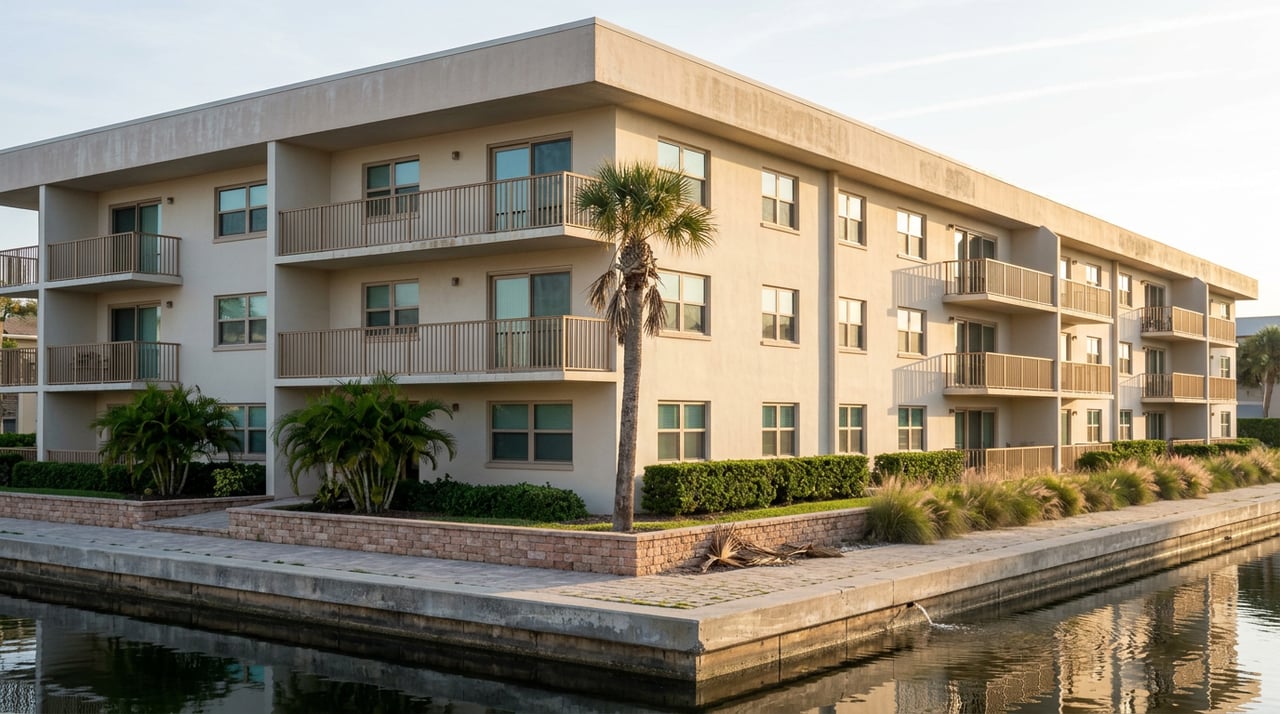
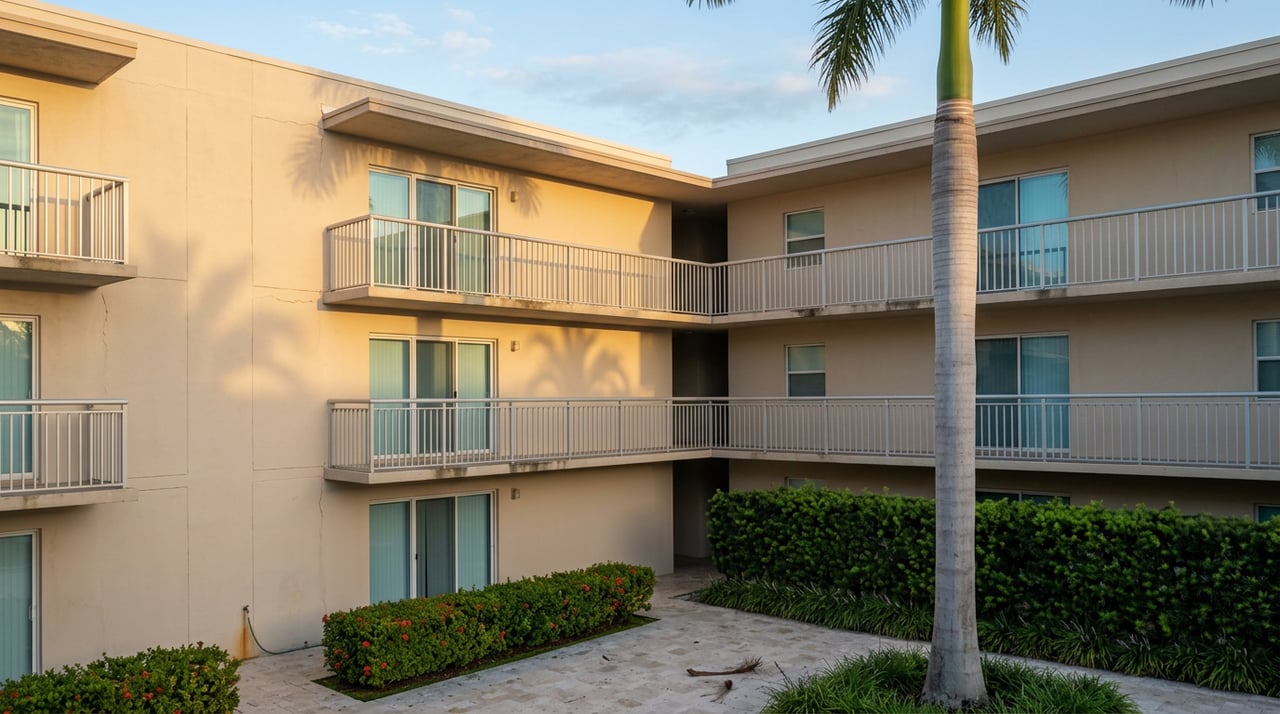
If you are buying in a condo building three stories or taller, confirm milestone inspection status and any related assessments. This can affect renovation timing, lender comfort, and even unit availability during work. St. Lucie County publishes guidance on milestone inspection requirements. Start with the county’s milestone inspections information.
Parking and occupancy
Operational details like parking often show up in HOA and city checklists. Fort Pierce provides occupancy and parking worksheets within its STR portal to help you plan realistic head counts and parking compliance. You will find those resources on the same Fort Pierce STR page.
Coastal, flood and utilities
Coastal Construction Control Line
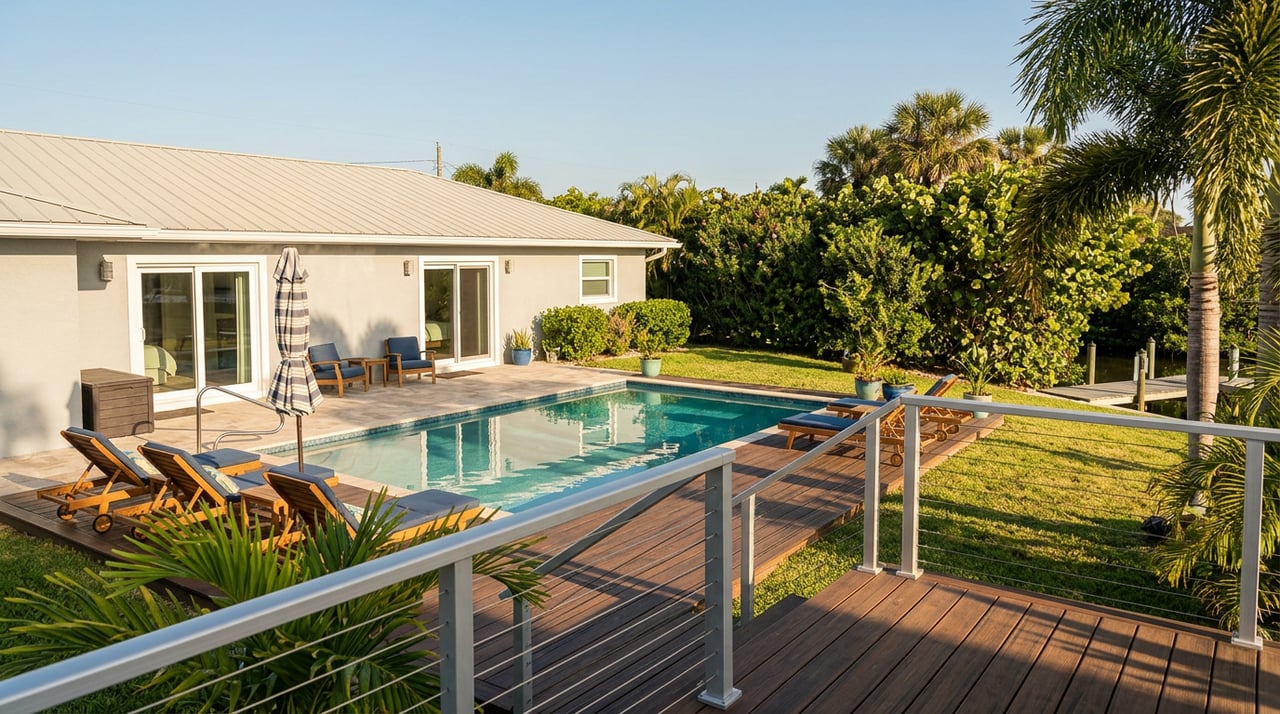
Many beachfront lots on Hutchinson Island sit near or seaward of Florida’s Coastal Construction Control Line. Structural work, dune walkovers, seawalls, stairs, decking, and significant exterior changes in this zone often require a DEP coastal permit and engineering. Budget extra lead time and potential mitigation if your property is near the shoreline. You can learn more from the DEP’s CCCL program page.
Flood zones and insurance
Much of the island lies in FEMA Special Flood Hazard Areas. Pull the parcel’s FIRM panel, confirm base flood elevation, and get quotes for wind, building coverage, NFIP flood, and any private excess. Flood zone classification can influence premiums, reserve needs, and allowable occupancy after storm events. The City of Port St. Lucie’s flood page is a useful primer on elevation and mitigation concepts. See the Flood Mitigation and Insurance overview.
Sewer, septic and service boundaries
Fort Pierce Utilities Authority operates the Island Water Reclamation Facility on Hutchinson Island and has been converting areas from septic to sewer. Whether your home is on municipal sewer or an on‑site septic system affects occupancy limits, repair costs, and long‑term capex. Confirm service boundaries with FPUA and ask about any planned assessments. The utility’s public reports and board materials offer helpful context, including the IWRF. Review FPUA’s ACFR with island system references.
What moves nightly rates
Beachfront and views
You pay for—and get paid for—proximity. Oceanfront and ocean‑view units on Hutchinson Island typically command higher average daily rates than similar units farther from the beach. This premium reflects a consistent pattern documented by appraisal literature. When you build your pro forma, differentiate by water adjacency and view quality, then validate with micro‑market comps. See the water‑view appraisal summary for background.
Parks, inlet and access
Walkable access to Fort Pierce Inlet State Park and Avalon State Park, plus proximity to the inlet and marinas, supports stronger calendars. Anglers and boaters add shoulder demand and midweek stays. For context on amenities and travel draw, reference Visit Florida’s Hutchinson Island guide and the state park plan.
Renovations that pay off
Prioritize improvements that increase guest capacity, reduce maintenance in a coastal setting, and protect the property during storms. Here is a practical sequence:
- Safety and code compliance first. Install and test smoke and CO detectors, confirm egress, handrails, and electrical updates. These are core to legal operation under DBPR rules. Use the DBPR vacation rental guide as your baseline.
- Coastal‑durable finishes. Choose waterproof LVP or tile, corrosion‑resistant hardware, and indoor‑outdoor furniture that handles salt and sand. Durability cuts turnover cost.
- Flexible sleeping. Add quality beds and smart layouts so your sleeping count is clear and comfortable. More heads on pillows—within legal occupancy—improves revenue potential.
- Laundry and fast internet. These are top guest filters and are essential for month‑long winter bookings.
- Functional kitchens and beach‑friendly extras. A well‑equipped kitchen, easy‑clean surfaces, an outdoor shower, and stocked beach gear raise perceived value and reviews.
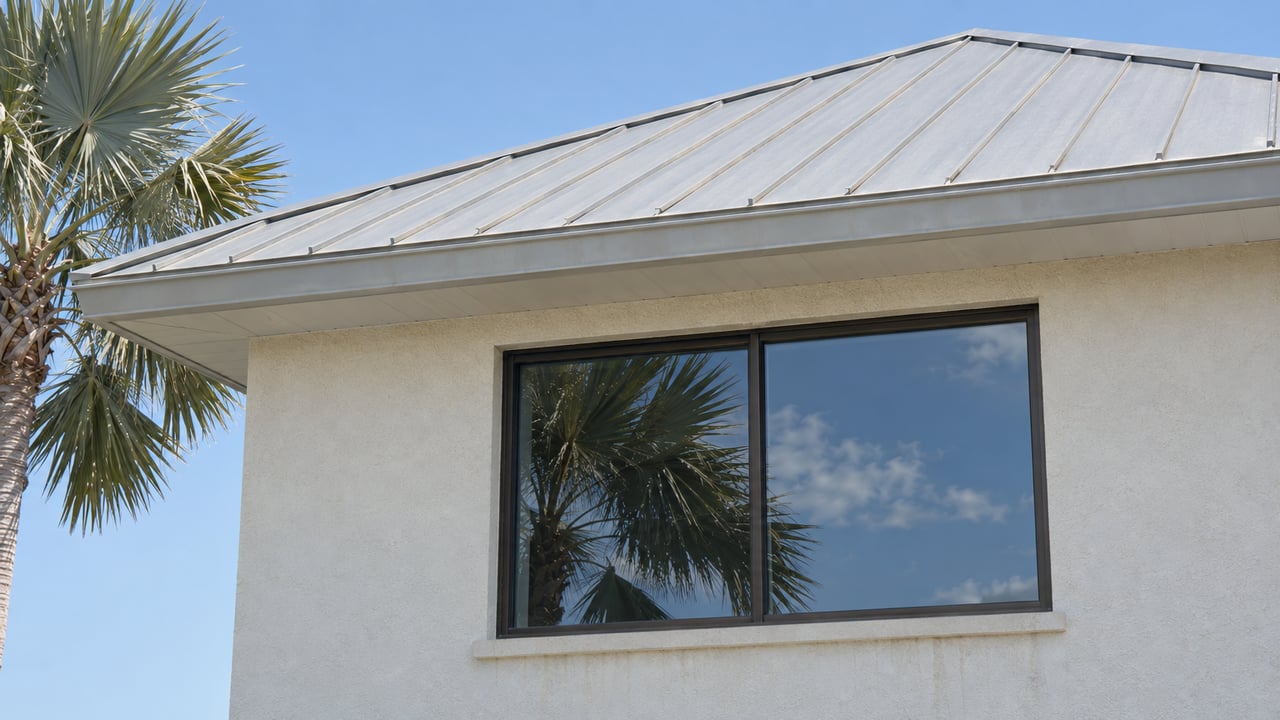
- Hurricane mitigation. Impact windows or rated shutters, roof integrity, and elevated mechanicals where required reduce downtime and insurance risk. For shoreline or exterior work near the beach, confirm permit needs with the CCCL program before you scope.
- Guest‑friendly operations. Smart locks, professional photography, strong listing copy, and simple house rules improve conversion and reduce management friction.
Small, high‑impact updates like paint, flooring, linens, and photos often deliver the best first‑year uplift. Price larger coastal projects conservatively and verify permitability early.
Underwrite with a checklist
Before you submit an offer, run this due‑diligence list:
- Confirm jurisdiction. Check if the parcel is inside Fort Pierce or unincorporated St. Lucie County. If inside the city, plan for registration, fees, and Host Compliance. Start at the Fort Pierce STR page.
- Validate DBPR status. Decide if your plan triggers state licensing and search DBPR’s database to confirm any existing license. Review the DBPR vacation rental guide.
- Model taxes. Budget the 5 percent Tourist Development Tax plus state sales tax and any local surcharges. Confirm registration and remittance steps. Reference Form DR‑15TDT and the Tax Collector’s TDT page.
- Read HOA and CC&Rs. Confirm minimum stays, annual rental caps, owner‑occupancy rules, parking, and fines. The Florida Senate summary explains association authority.
- Price insurance. Pull FEMA FIRM data and get quotes for wind, building, NFIP flood, and excess if needed. Use the Port St. Lucie flood resource to understand elevation terms.
- Verify utilities. Confirm sewer vs septic, permitted occupancy for septic, and replacement or conversion costs. Contact FPUA and review its ACFR for island system context.
- Check permits and CCCL. If you plan exterior or shoreline work, confirm CCCL location and permit requirements with the DEP CCCL page. For condos, verify milestone inspection status at St. Lucie County’s page.
- Assess physical risk. Review roof, structure, windows and doors, HVAC, elevator status if condo, and storm repair history. Ask for permit and repair records.
- Confirm operations. Validate parking counts, cleaning and maintenance vendor availability, and whether a local manager can handle STR operations. Fort Pierce provides occupancy and parking worksheets on its STR page.
- Build 3 scenarios. Use paid STR datasets or quotes from two local property managers to set ADR and occupancy for your micro‑market. Create baseline, conservative, and aggressive cases with a hurricane‑season stress test and a 6 to 12 month repair reserve.
Red flags that should pause financing include: CC&Rs that ban short bookings or mandate long minimum stays, properties seaward of the CCCL where your desired changes are not permitted or require costly mitigation, uninsurable risk or flood premiums that crush cash flow, and condo buildings with unresolved milestone assessments or repair liens.
How we help on Hutchinson Island
You get the best results when you pair sharp underwriting with practical execution. Our team combines boutique brokerage with hands‑on renovation and project management across the Treasure Coast. We help you source the right property, confirm permit and HOA fit, model true operating costs, and plan value‑add improvements that guests notice.
If you are ready to explore opportunities on Hutchinson Island, let’s talk about your goals and run the numbers together. Schedule a consultation with Renny Realty.
FAQs
What licenses do I need to run a vacation rental on Hutchinson Island?
- If you rent a whole dwelling more than three times per year for stays under 30 days, you likely need a state DBPR vacation rental license, and if the property is inside Fort Pierce city limits and rented under six months, the city also requires STR registration with fees and Host Compliance monitoring.
How does the Coastal Construction Control Line affect remodeling near the beach?
- Work seaward of or near the CCCL often needs a DEP coastal permit and engineering review, which can add time and cost for decks, dune walkovers, stairs, seawalls, or major exterior changes.
What is the Tourist Development Tax in St. Lucie County for short‑term rentals?
- St. Lucie County’s local Tourist Development Tax is 5 percent, collected on transient rentals in addition to state sales tax, and owners are responsible for registration and remittance.
Do HOA or condo rules override state short‑term rental licensing in Florida?
- Yes, associations can set stricter rental rules such as minimum stays or rental caps, and state licensing does not override recorded CC&Rs or board‑adopted restrictions.
How do flood zones impact insurance and operations on Hutchinson Island?
- Many parcels fall in FEMA Special Flood Hazard Areas, so you should confirm elevation, obtain NFIP and wind coverage quotes, and plan reserves since flood classification affects premiums and post‑storm repair rules.
Why do sewer vs septic and utility boundaries matter for a vacation rental?
- Sewer connections often allow simpler operations, while septic systems can limit occupancy and add capex risk; FPUA manages island wastewater and ongoing septic‑to‑sewer projects that can affect costs and feasibility.