Torn between the charm of a 1920s bungalow and the ease of a brand‑new build? You’re not alone. In West Palm Beach, both historic homes and new construction offer real benefits, but the costs and day‑to‑day experience can be very different. This guide breaks down lifestyle fit, maintenance, insurance, flood risk, and renovation paths so you can make a confident choice. Let’s dive in.
Historic and new: what they mean here
In West Palm Beach, “historic” usually refers to homes in older neighborhoods like Flamingo Park, El Cid, Old Northwood (Northwood Historic District), and parts of the Historic Northwest and downtown. Many of these homes were built between the 1910s and 1950s, often in Mediterranean Revival, Mission, bungalow, or mid‑century styles. They sit close to the urban core with mature trees and established streets.
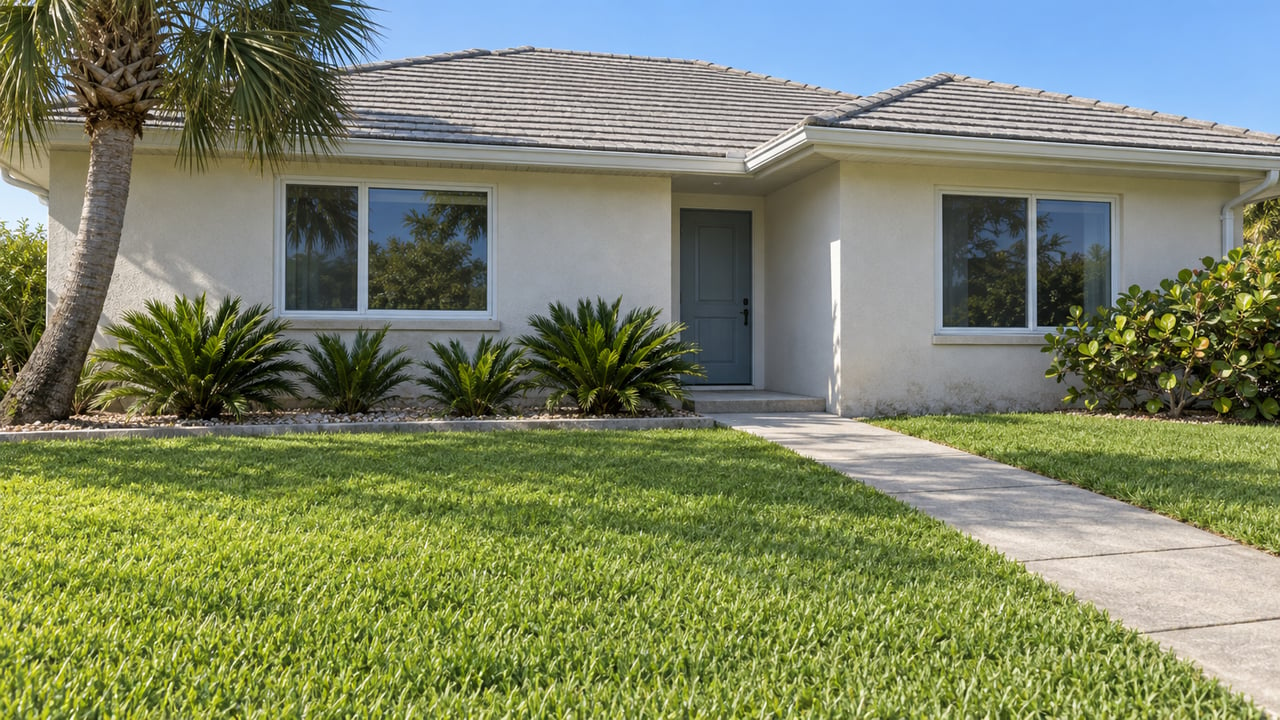
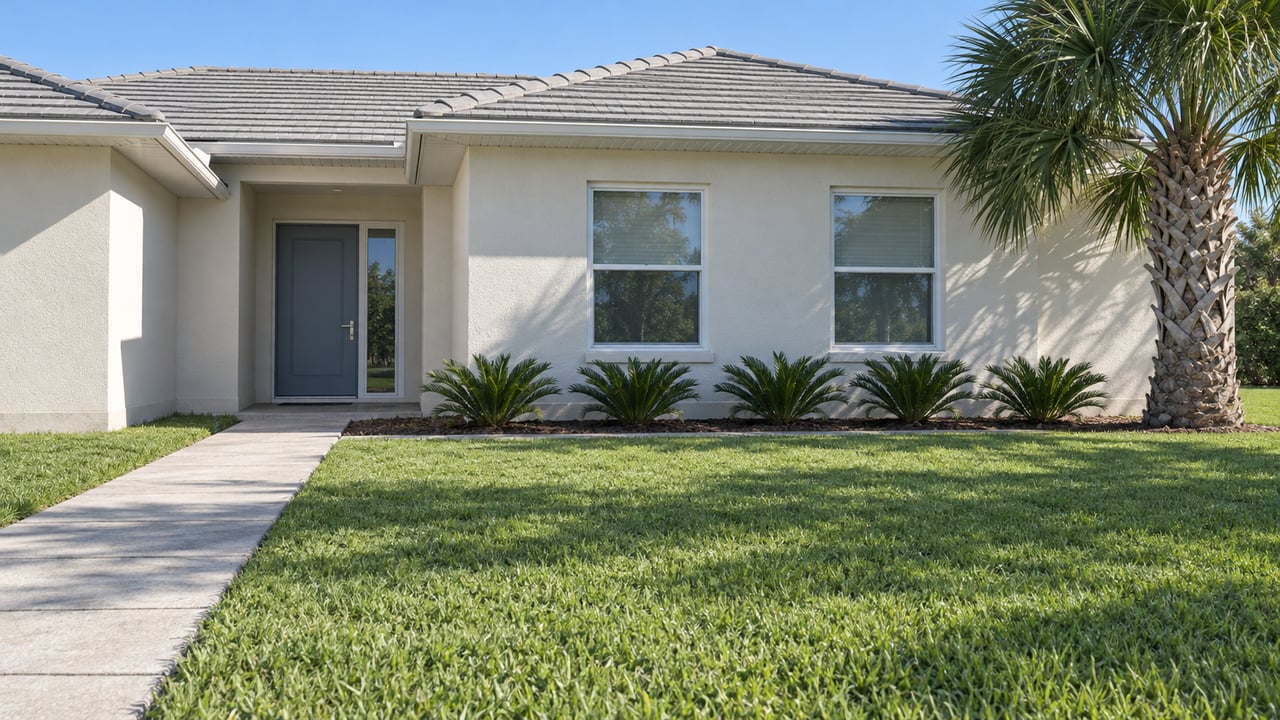
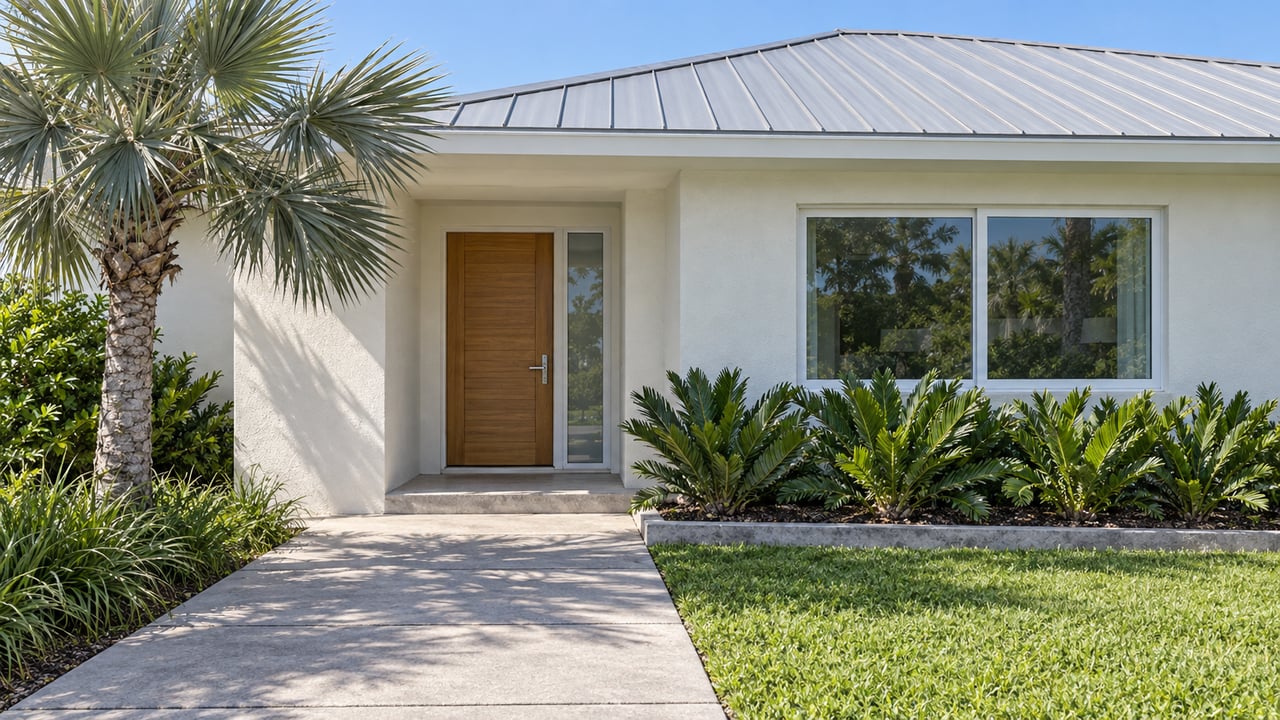
“New construction” typically means single‑family infill builds, condo towers, or master‑planned communities built in the last 10–20 years. You’ll also find custom homes constructed to current Florida Building Code standards, especially post‑2004 and post‑2010 updates that focus on hurricane resilience. Newer homes appear both near the coast and farther inland where larger parcels allow modern communities and amenities.
Lifestyle and location
Character and walkability
Historic districts deliver a distinct streetscape, mature canopy, and a sense of architectural story. You may enjoy closer access to downtown destinations, parks, and cultural spots. Lots and street layouts can vary more than modern subdivisions, which adds to the charm but may mean less uniformity.
Newer communities emphasize clean lines, planned landscaping, and modern amenities. You may find gated entries, clubhouses, and walk/bike features designed into the neighborhood. Layouts and sidewalks are more standardized, making everyday routines feel friction‑free.
Community fit
If you value original details, built‑ins, and the feel of a classic home, historic neighborhoods can be a match. Many owners plan for ongoing restoration as part of the lifestyle. If convenience and low‑maintenance living are top priorities, new construction offers move‑in readiness, warranties, and modern features that reduce your near‑term to‑do list.
Resale dynamics
Historic homes in desirable districts can hold or appreciate due to location and scarcity. Maintenance history and permitted changes play a big role in buyer confidence. Newer homes may earn premiums for turnkey condition, energy efficiency, and warranty coverage, which can widen your audience at resale.
Layout and systems
Historic layouts
Older homes often have compartmentalized rooms, smaller closets, and single‑pane windows. HVAC and electrical systems may have been retrofitted over time, so routing can be imperfect. You get nooks, built‑ins, and period details that many buyers love, but major upgrades can involve structural creativity and specialist trades.
Modern layouts
New builds are designed around contemporary living. Think open plans, larger kitchens, primary suites with bigger closets, and integrated systems like smart wiring and efficient HVAC. Electrical and plumbing meet current codes from day one, which simplifies near‑term ownership.
Maintenance and repairs
Historic home watchouts
Expect more frequent or specialized maintenance over time. Common items include:
- Roofing nearing end of life; historic materials like tile or metal can be costlier to repair.
- Electrical updates if older panels or wiring are present.
- Plumbing replacements if galvanized pipes or cast‑iron drains remain.
- Structural settlement, pier‑and‑beam adjustments, termite or wood‑rot history in humid conditions.
- Windows and doors that are single‑pane or non‑impact; preservation rules can raise replacement costs.
- Potential environmental issues like pre‑1978 lead paint or older insulation materials.
- Moisture and mold risk if ventilation and dehumidification are not well managed.
New home upkeep
Early years usually bring lower maintenance due to warranties on the roof, mechanicals, and appliances. Common tasks include landscaping maturation, seasonal tune‑ups, and finishing punch‑list items. Over a 10–20 year horizon, you’ll plan for typical replacements like HVAC and roofing.
Budgeting rules of thumb
- For newer homes, a common rule of thumb is about 1% of the home’s value per year for maintenance.
- For older or historic homes, plan for a higher range, often 2–4% or more, depending on condition and preservation goals.
Actual costs vary by property and scope of work. Historic restorations often need tradespeople skilled in masonry, millwork, and material matching, which can extend timelines and raise bids.
Major capital events to expect
For both historic and new homes, plan for roof and HVAC replacements, plumbing upgrades or re‑piping, and window/door improvements for wind protection. In flood‑prone areas, flood mitigation measures and site work can be meaningful line items. Kitchens and baths are common renovation targets and drive overall budgets.
Insurance and flood
Wind and homeowners insurance
Florida’s insurance market has seen volatility, and carriers weigh hurricane risk heavily. Many policies include a windstorm or hurricane deductible as a percentage of dwelling coverage. Newer homes built to current codes often attract broader insurer participation and may secure lower wind premiums due to impact‑rated openings, reinforced roofs, and documented wind‑mitigation features.
Older homes can face higher premiums if they lack roof straps or clips, impact protection, or updated systems. Historic materials like slate or specialty tile can complicate replacement cost calculations. If a property cannot be placed in the private market, some owners consider coverage through the state’s insurer of last resort.
Flood zones and elevation
Flood risk is separate from wind coverage. If a home sits in a FEMA Special Flood Hazard Area, lenders typically require flood insurance. In parts of West Palm Beach, you will see A or V flood zones that carry stricter standards. Elevation certificates, site drainage, flood vents, and finished floor heights affect pricing and options. Private flood insurance is available alongside NFIP policies, and terms can vary widely.
Historic rules after storms
If a historic property is locally designated, exterior repairs or replacements often must meet specific design guidelines. After a damaging event, matching materials or profiles may be required, which can influence costs and timelines. It also matters for insurance scopes and how you plan coverage.
Renovation and permits
Historic review process
In local historic districts, exterior changes usually require design review or a Certificate of Appropriateness. That can add steps to your timeline and influence material choices for roofs, windows, doors, and visible additions. Interiors are often more flexible, but always verify designation type and local rules before you commit to plans.
Typical renovation paths
- Preservation upgrade: Restore the exterior and discreetly modernize systems like HVAC, wiring, and plumbing. This is often phased over time.
- Adaptive renovation: Keep the architectural shell while reconfiguring interiors for open kitchens, added baths, and better flow. Expect structural and MEP work.
- Teardown/rebuild: In prime locations where land value dominates, you may see full replacement with a new elevated home. Local controls and community feedback often apply.
When renovation loses the math
Renovation is not always the better path. Consider these decision triggers:
- Structural or major termite damage where repairs near 50% of replacement cost.
- A full roof replacement plus complete re‑piping plus electrical overhaul needed all at once. The combined cost can rival buying a newer home.
- Required exterior replacements that must match historic materials, pushing bids higher than non‑historic alternatives.
- Required elevation or major flood retrofits for homes in Special Flood Hazard Areas, which can be cost‑prohibitive compared to building new at the right height.
- You want immediate modern systems, energy efficiency, and minimal maintenance, which extends the breakeven horizon for a deep historic renovation.
Cost of ownership snapshot
Use this quick comparison as a starting point for your budget and expectations:
Purchase price
- Historic: Varies; can command premiums in prime districts.
- New: Often higher per square foot in new developments; competitive when you account for quality and code benefits.
Annual maintenance
- Historic: Higher on average; plan around 2–4% of value as a rule of thumb.
- New: Lower early on; about 1% of value is a common guide.
Major capital risk (10‑year view)
- Historic: Higher probability of multiple big‑ticket items.
- New: Lower initially due to newer systems and warranties.
Insurance (wind and flood)
- Historic: Can be higher without mitigation and updated systems.
- New: Often lower thanks to code‑required wind and flood features.
Renovation flexibility
- Historic: Exterior changes constrained by design review; interiors more flexible with structural limits.
- New: Generally flexible within zoning and building codes.
Resale liquidity
- Historic: Strong in established districts with documented maintenance and permitted work.
- New: Strong with turnkey condition and modern amenities.
Incentives
- Historic: Federal rehab credits mainly apply to income‑producing properties, not owner‑occupied homes; local incentives vary.
- New: Occasional energy credits or rebates for high‑efficiency systems may be available.
How to choose in West Palm Beach
Start with lifestyle. Do you want the character and walkability of a historic street, or the convenience and efficiency of a new build? Then weigh total cost of ownership, not just price per square foot.
Build your due‑diligence checklist:
- Order a wind‑mitigation inspection to determine features that can reduce premiums.
- If the home is in a flood zone, get an elevation certificate and discuss coverage options.
- Ask a licensed contractor for line‑item estimates on roof, HVAC, electrical panel, re‑piping, structural repairs, and any required exterior work.
- For historic homes, review past permits, Certificates of Appropriateness, and maintenance records.
- Map a phased plan: safety and structure first, then systems, then finishes.
Finally, align the property with your time horizon. If you want to enjoy the coastal lifestyle right away with minimal projects, new construction may fit. If you appreciate craftsmanship and are willing to invest in upgrades over time, a historic home can be very rewarding.
Ready to compare real opportunities on the ground? With boutique, founder‑led advisory and hands‑on renovation expertise, Renny Realty can help you evaluate both paths, line up the right inspections, and model total cost of ownership with confidence.
FAQs
What defines a “historic home” in West Palm Beach?
- In city‑designated historic districts like Flamingo Park, El Cid, Old Northwood, and parts of the Historic Northwest, homes built mainly from the 1910s–1950s are commonly considered historic in character.
How do homeowners insurance costs differ for old vs new homes?
- New construction often earns lower wind premiums due to current code and mitigation features, while older homes may pay more without impact openings, roof straps, or updated systems.
What is a reasonable maintenance budget for older homes?
- A common guide is 2–4% of the home’s value per year for historic properties, versus about 1% for newer homes, with actual costs based on condition and scope.
Do homes near the Intracoastal need flood insurance?
- If a property is in a FEMA Special Flood Hazard Area, lenders typically require flood insurance; elevation and site features affect coverage options and price.
How does permitting differ for historic renovations?
- Exterior changes in designated districts usually need design review or a Certificate of Appropriateness, which can add time and influence materials and methods.
When is buying new better than renovating historic?
- If structural repairs are extensive, multiple core systems need immediate replacement, or elevation is required for flood compliance, a newer home may be more cost‑effective.