Thinking about a condo on Hutchinson Island? Before you fall in love with the ocean view, make sure the building’s reserve funds are healthy. For barrier‑island properties, reserves are the safety net that keeps repairs predictable and special assessments rare. In this guide, you’ll learn what reserves are, how Florida rules affect you, how to read budgets and reserve studies, and how reserves influence financing. Let’s dive in.
Why reserves matter on Hutchinson Island
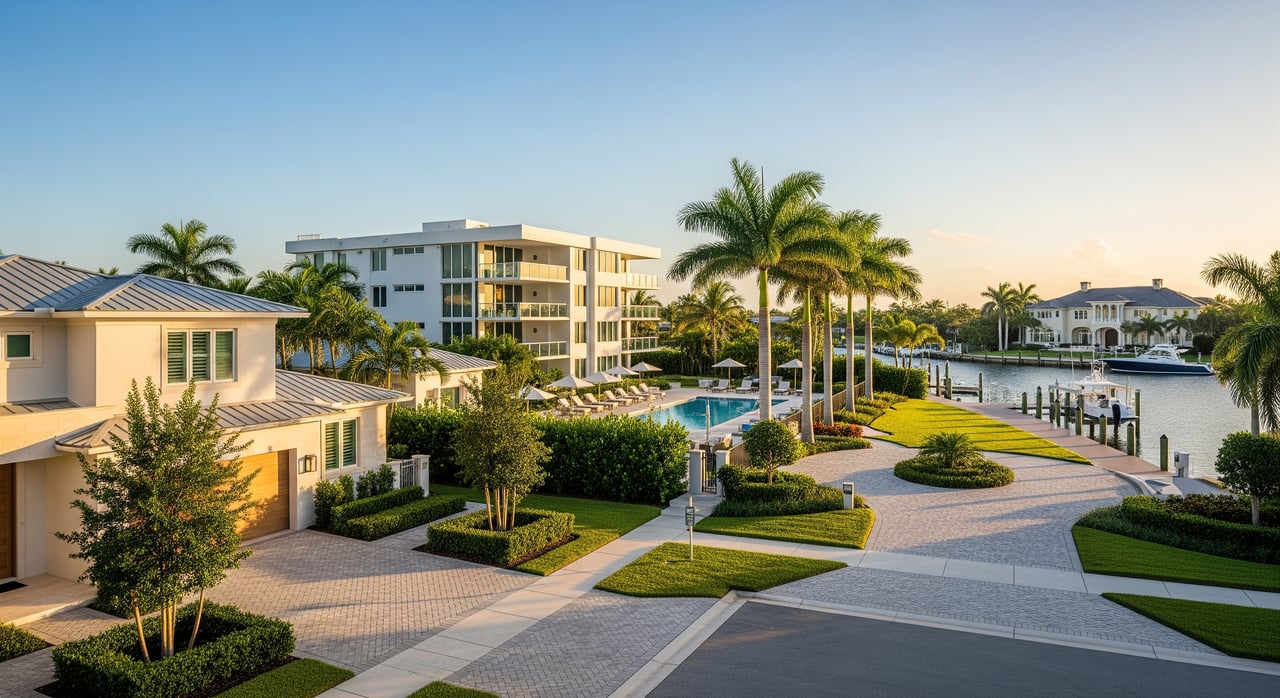
Hutchinson Island sits on the Atlantic, where buildings face salt air, wind, and storms. That coastal exposure speeds up wear on concrete, steel, roofs, and exterior finishes. It also raises the odds of major repairs on a shorter cycle than inland condos.
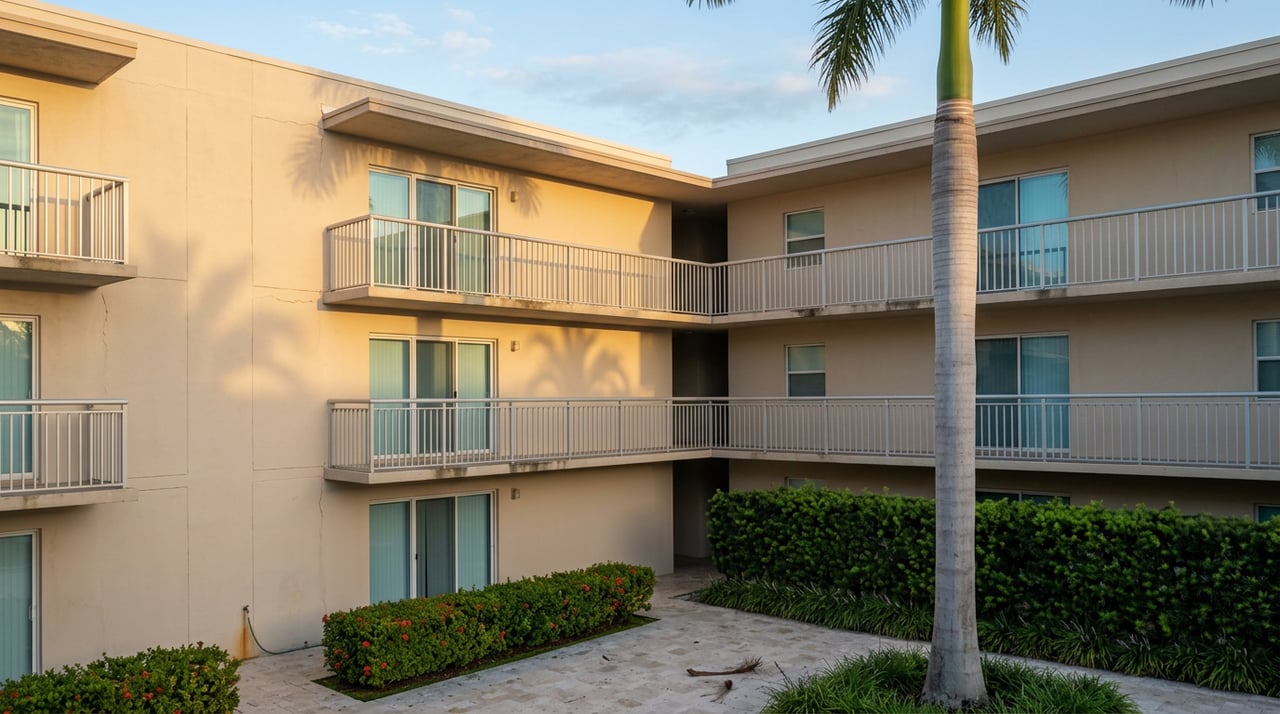
Big‑ticket shared assets on the island include roofs, balconies and concrete restoration, elevators, parking decks, seawalls, docks, HVAC systems for common areas, and pool decks. Insurance can be a swing factor too. Coastal associations often see higher premiums and hurricane deductibles that are a percentage of the policy limit. Any premium spike or deductible change can lead to higher dues, reserve withdrawals, or surprise assessments if reserves are thin.
What condo reserves cover
“Reserves” are association funds set aside for big repairs and capital projects. They are different from operating funds that pay for daily expenses like utilities and landscaping. Strong reserves reduce the chance of last‑minute assessments when something major fails.
Common reserve‑funded items include:
- Roof replacement
- Exterior painting and coatings
- Balcony and concrete spall repairs
- Elevator overhauls
- Parking deck and garage repairs
- Pool and deck resurfacing
- Seawall and bulkhead work
- Dock and piling replacement
- Major mechanicals for common systems
Florida rules to know
Florida’s condominium law and the state’s Division of Condominiums set rules for budgets, reserve disclosures, resale documents, and building safety inspections. When you buy, the association’s resale package typically includes the current budget, reserve balances, recent financial statements, and any reserve study or reserve schedule.
Florida also requires structural inspections and recertification for older multi‑story buildings. These inspections can uncover deferred maintenance and trigger major projects with real costs. Always verify the building’s recertification status and any remediation timelines.
Associations can levy special assessments or borrow to complete capital work. Owners may also vote to reduce or waive reserve funding for a year. Waivers can lower dues short term, but they increase the risk of assessments later. Make sure any waivers or planned assessments are disclosed and factored into your budget.
Read the budget and reserve study
Your goal is to confirm that today’s reserve dollars match tomorrow’s repair needs.
Find the reserve contribution and balance
- How much of your monthly dues goes to reserves versus operating costs?
- What is the current reserve balance and how has it trended year over year?
Review the reserve schedule
- Look for a list of components, each with remaining useful life, estimated replacement cost, and recommended annual funding.
- Ask when the last full reserve study was completed and whether it included a physical site visit. Industry practice recommends a full professional study every 3 to 5 years, with financial updates in between. Older or actively repairing buildings may need more frequent reviews.
Watch insurance and deductibles
- Review the association’s insurance declarations pages. Note premium amounts and hurricane or windstorm deductibles that are a percentage of the policy limit.
- Ask about recent claims, nonrenewals, or policy changes that affected dues or required special assessments.
Scan minutes and delinquencies
- Read 12 to 24 months of board minutes for mentions of contractor bids, concrete restoration, seawall work, elevator contracts, special assessments, or association loans.
- Check the delinquency rate. High delinquencies can weaken cash flow and disrupt planned reserve funding.
Red flags in island condos
- Reserves far below the study’s recommendation or an outdated study
- Recent votes to waive or reduce reserve funding
- Board minutes hinting at imminent assessments or loans
- Large unbudgeted repairs, engineering reports, or contractor proposals
- Insurance cancellations or sharp premium increases covered by assessments
- Lawsuits or owner delinquencies at levels that strain finances
Typical lifespans on the coast
Coastal exposure often shortens useful lives. General planning ranges you may see in studies include:
- Roofs: 15 to 30 years, depending on materials
- Exterior paint or coating: 5 to 12 years
- Elevators: 20 to 30 years for major overhauls
- HVAC for common areas: 10 to 20 years
- Concrete decks and parking structures: 20 to 40 years, with ongoing spall repairs
- Seawalls: 20 to 50 plus years, depending on materials and conditions
These are guidelines. Local conditions, materials, and maintenance history drive real outcomes on Hutchinson Island.
Financing and eligibility
Lenders weigh reserve adequacy when they approve condo projects. If reserves are low, waived, or if special assessments are active or anticipated, some loan programs may be limited. Project eligibility rules can also look at investor versus owner‑occupant ratios and single‑entity ownership limits.
Standards vary by lender and program. FHA, VA, Fannie Mae, and Freddie Mac can have different thresholds and documentation requirements, which change over time. Speak with your lender early to confirm eligibility for the specific community you are considering. Good reserves can make financing simpler and more competitive.
Buyer due diligence checklist
Use this checklist before you write an offer or during your condo review period:
- Request the current budget, the most recent reserve study or reserve schedule, and the current reserve balance.
- Confirm the date of the last reserve study and whether it included a physical site inspection.
- Obtain 12 to 24 months of board minutes. Look for discussions of concrete restoration, balcony work, roofing, elevators, parking structures, seawalls, docks, special assessments, or loans.
- Ask for insurance declarations pages, including wind and hurricane deductibles, and any recent claims history.
- Review the resale certificate and governing documents for rules on special assessments, borrowing, and vote thresholds.
- Ask whether reserve funding was waived or reduced in recent years.
- Confirm any pending contracts, requests for proposals, or engineering reports for capital projects, including timelines and cost ranges.
- If the building is older, verify structural recertification status and any required repairs or deadlines.
- Speak with your lender about the project’s eligibility and whether reserves or occupancy mix could affect your loan options.
- Consider a buyer‑paid inspection or condition report targeting coastal issues such as balconies, spalling, roofing, and seawalls.
How outcomes differ
Well‑funded reserves
Reserves align with the study’s recommendations, dues are predictable, and large projects are planned. Financing is easier, and resale demand is often stronger because buyers trust the building’s financial health.
Underfunded reserves
Low balances, waived funding, or deferred maintenance can lead to sudden dues increases and special assessments. Financing may be harder, and buyer demand can soften until projects are addressed.
Active capital project or association loan
If the association has borrowed to fund repairs, monthly dues include debt service and may rise. Learn the interest rate, term, and per‑unit cost. Confirm whether the assessment or loan will transfer to you at closing.
Fit reserves into your offer strategy
Use reserve health to set terms and timelines. If a study is outdated or a major repair is pending, you can request updated documents during your inspection period. You can also align your offer with lender requirements, especially if you need a specific program.
Budget for assessments if red flags exist. If the building is sound and reserves are on track, you can move faster and focus on the floor plan, view, and lifestyle. Either way, a clear read on reserves helps you buy with confidence on Hutchinson Island.
Partner with a local advisor
On Hutchinson Island, the details matter. You want someone who understands coastal buildings, project timelines, and how reserves impact both lifestyle and investment outcomes. Renny Realty blends boutique brokerage with hands‑on renovation and project‑management experience, so you get practical guidance from offer through ownership. If you are weighing two buildings or planning post‑closing improvements, we can help you map the budget and the path forward.
Ready to explore the right condo with the right reserves? Schedule your consultation with Renny Realty.
FAQs
What are condo reserves in Florida?
- Reserves are association funds set aside for major repairs and replacements, separate from operating expenses. They help avoid surprise special assessments.
How do I check reserve health before buying on Hutchinson Island?
- Ask for the current budget, reserve balance, the latest reserve study, 12 to 24 months of board minutes, insurance declarations, and any approved assessments or waivers.
Do reserve waivers affect value or financing?
- Yes. Waiving or reducing reserve funding can increase the risk of assessments and may limit loan options with some lenders and programs.
What is building recertification and why does it matter?
- Florida requires structural inspections for older multi‑story buildings. Findings can trigger major projects, deadlines, and costs that affect owners.
How often should a reserve study be updated?
- Best practice is a full professional study every 3 to 5 years, with financial updates in between. Older or actively repairing buildings may need more frequent reviews.
What insurance details should I review as a buyer?
- Review premiums, coverage limits, and hurricane or windstorm deductibles shown as a percentage of the policy limit. Ask about recent claims and any nonrenewals.