Wondering whether a fixer-upper in Port St. Lucie can actually deliver a solid return, or just turn into an expensive headache? If you are looking at older homes, cosmetic updates, or full value-add projects, the opportunity is real, but only if you underwrite the deal carefully. In this guide, you will learn how to evaluate fixer-uppers in Port St. Lucie for ROI using local market data, realistic rehab costs, and the city’s actual permit and inspection process. Let’s dive in.
Why Port St. Lucie Draws Fixer-Upper Buyers
Port St. Lucie offers a useful mix for value-add buyers: scale, demand, and a large single-family housing base. According to U.S. Census QuickFacts for Port St. Lucie, the city reached 258,575 residents in 2024, with an 84.0% owner-occupied housing rate and a median owner-occupied home value of $369,200.
That matters because fixer-upper demand is often strongest in markets where owner-occupants are active and single-family homes dominate. The city’s housing element shows 90.2% of housing units were single-family in the 2018 ACS profile, which supports a broad resale pool for updated homes.
The age of the housing stock also creates renovation potential. Nearly 41% of homes were built in 2000 or later, but more than 30,000 units were built between 1980 and 1999, which means many homes may offer upside through updates to roofs, openings, systems, and finishes rather than full tear-down work.
Start With ROI, Not Just Price
A low purchase price does not automatically make a property a good deal. For a fixer-upper, your real question is whether the purchase price, rehab budget, carrying costs, and selling costs still leave enough room below the likely resale value.
That is especially important in Port St. Lucie because the market is active, but not so fast that you can afford sloppy math. Redfin’s housing market data says homes receive about 2 offers on average, sell in around 102 days, and had a median sale price of $400,000 in March 2026.
In practical terms, that means you should not count on a quick exit to save a weak deal. If your projected margin looks thin before work begins, it may disappear once holding costs, permit delays, or hidden repairs show up.
Estimate ARV by ZIP and Comps
One of the biggest fixer-upper mistakes is using a citywide average to estimate after-repair value, or ARV. In Port St. Lucie, pricing varies enough by area that your resale ceiling should be based on matched comparable sales, not broad headlines.
Redfin’s city snapshot shows asking-price variation across ZIP codes, including about $320,000 in 34952, $445,000 in 34953, $402,450 in 34986, $519,000 in 34957, and $650,000 in 34990. That spread is a clear reminder that the same renovation budget can perform very differently depending on location and product type.
Recent sold examples show the same pattern. Redfin’s market page includes sales at $145,000, $325,000, $395,000, $462,500, $610,000, and $1.315 million, which highlights how important it is to compare homes by size, condition, layout, and area rather than relying on a median alone.
What to compare for ARV
When you estimate resale value, focus on:
- Similar square footage
- Similar bed and bath count
- Similar lot type and property style
- Similar condition after renovation
- Similar location within the same ZIP or nearby competing area
If your planned finish level would push the home above the local resale band, that is a warning sign. In many Port St. Lucie deals, the best returns come from bringing a property up to market expectations, not trying to make it the most expensive home in the area.
Build a Real Rehab Budget
A strong ROI calculation starts with a budget that separates purchase price from renovation costs, permit fees, carrying costs, and selling expenses. Too many buyers focus only on visible improvements and forget the line items that quietly eat into profit.
According to Angi’s whole-house remodel guide, whole-house remodels average about $52,000, but the range is extremely wide, from $3,000 to $225,000, depending on scope. Remodeling can also run about $15 to $150 per square foot, which is why a basic cosmetic update and a systems-heavy renovation should never be underwritten the same way.
Angi also notes common costs such as:
- Kitchen remodel: about $26,974 average
- Minor kitchen remodel: $10,000 to $20,000
- Bathroom remodel: $6,600 to $17,600
- Plumbing work: $350 to $2,000
- Electrical rewiring: $1,500 to $10,000+
- HVAC system: $5,000 to $12,500
- Window installation: $300 to $1,500 per window
Those numbers help frame scope, but your local project plan matters more than any national average. In Port St. Lucie, older homes can look cosmetic at first and then reveal electrical, plumbing, HVAC, termite, or water-damage issues once demolition begins.
Do not skip contingency
A contingency reserve is not optional on fixer-uppers. Angi’s renovation cost guidance points out that older-home projects often uncover hidden problems after work starts, which can quickly shift your budget.
If your numbers only work in a best-case scenario, the deal is too tight. Conservative underwriting is usually what separates a profitable project from a stressful one.
Factor in Port St. Lucie Permit Costs
Soft costs can make a meaningful difference in ROI, especially on projects with multiple trades. Port St. Lucie publishes a residential permit fee schedule that gives you a more realistic view of what routine work may cost beyond labor and materials.
Examples include:
- $175 for a shingle reroof
- $250 for a metal or tile reroof
- $86 for an AC changeout
- $86 for a water heater replacement
- $150 for a residential remodel permit
- $100 for shutter installation
- $75 for a structural opening permit
- $5 for a Notice of Commencement
- $25 for a permit extension or renewal
The city also applies a 2.35% service fee to online and over-the-counter electronic payments, and permit fees are subject to the state surcharge. These are not huge numbers on their own, but they add up, especially when scope expands mid-project.
Understand the Permit Process Early
A deal can look profitable on paper and still lose momentum if you do not map the permit path in advance. Port St. Lucie’s Building Department states that permit applications, forms, and supporting documents must comply with the 8th Edition of the Florida Building Code.
The city’s permit categories cover most common fixer-upper work, including doors and windows, electrical, plumbing, mechanical work, roofing, siding, remodels, AC changeouts, water heater replacement, shutter installation, and structural work. That gives you a framework for planning, but it also means you should assume documentation and inspections will be part of the process for many upgrades.
One especially important point for resale projects is the city’s homeowner-builder guidance. Homeowner-builder permits are for owners doing work for their own use, not for a property being offered for sale or lease, which makes that path a poor fit for a flip strategy.
Inspection timing matters
Port St. Lucie also notes that permits are not complete until all required inspections are approved. The city’s inspection page says the permit card and approved documents must be available on site, and an owner or owner representative age 18 or older must be present for access.
If a project requires a Notice of Commencement, the recorded NOC must be submitted before inspections are scheduled. Virtual inspections are available for certain permit types with at least one business day of lead time, but that still requires planning.
Permits can also become abandoned after 180 days without action, and extensions are issued in 90-day increments with written justification, according to the city’s permit and checklist page. If your timeline slips, your ROI can shrink fast.
Prioritize Improvements With Better Payback
Not every renovation dollar performs equally well. If your goal is ROI, it usually makes sense to focus first on repairs and upgrades that improve function, curb appeal, and buyer confidence.
The 2025 Cost vs. Value Report from Zonda says the top national projects for cost recoupment are garage door replacement, steel door replacement, and manufactured stone veneer. It also notes that a minor kitchen remodel is the highest-ranking interior project at 112.9% cost recouped.
That supports a practical Port St. Lucie strategy:
- Address roofing and exterior condition early
- Upgrade doors, windows, and openings where needed
- Refresh kitchens instead of overbuilding them
- Modernize bathrooms with durable, neutral finishes
- Fix HVAC, plumbing, and electrical issues before cosmetic extras
- Improve curb appeal without going overly custom
In a market with wide price bands and moderate selling speed, buyers often respond best to homes that feel clean, solid, and updated. Highly customized luxury finishes can be harder to justify unless the neighborhood clearly supports that resale level.
Watch for Common ROI Killers
Most fixer-upper problems are not dramatic TV-show disasters. They are small planning mistakes that stack up and erode margin.
In Port St. Lucie, some of the biggest pitfalls include:
- Underestimating permit and soft costs
- Failing to build inspection timing into the schedule
- Assuming a homeowner permit can work for a resale project
- Forgetting to record a Notice of Commencement when required
- Overcapitalizing with finishes above the local resale norm
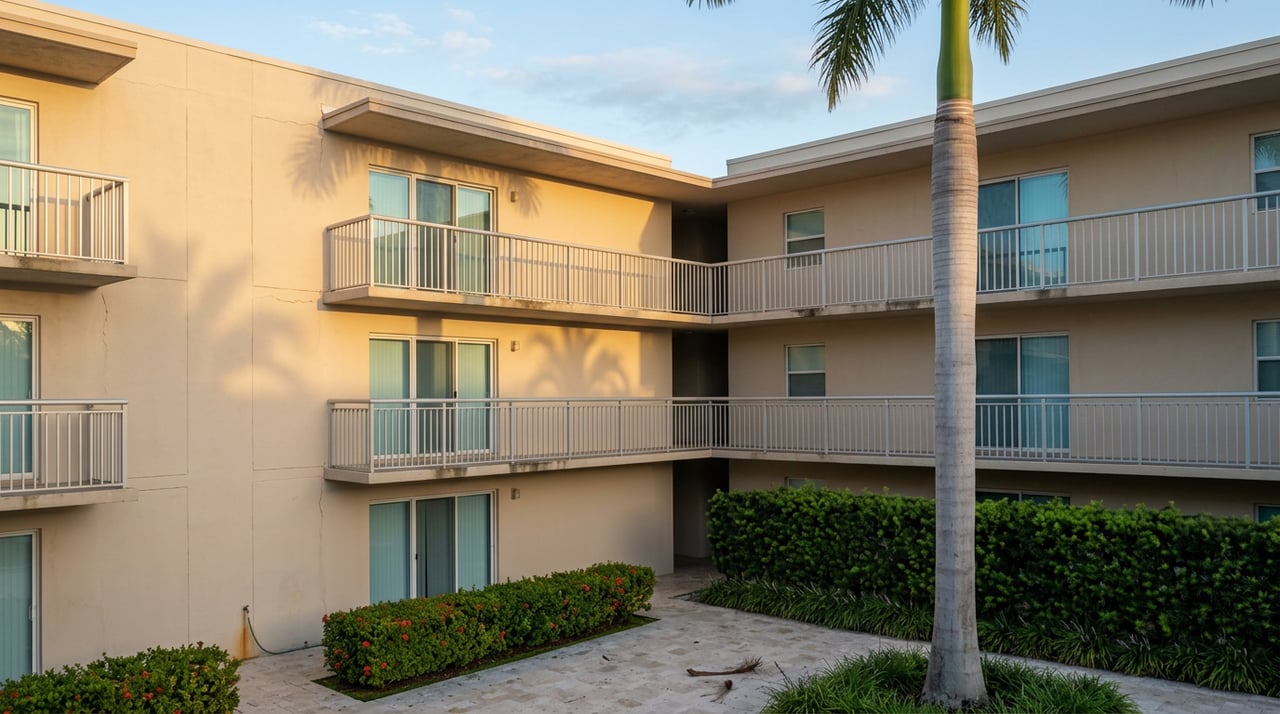
There is also added complexity if you are considering a condo or co-op. The city’s milestone inspection guidance notes timing and repair requirements that can affect those property types, so due diligence should go beyond the unit itself.
A Simple Port St. Lucie Screening Framework
Before you move forward on a fixer-upper, pressure-test the deal with a simple framework:
- Estimate realistic ARV using matched local comps.
- Create a full budget that includes labor, materials, permits, holding costs, and selling costs.
- Add contingency for hidden conditions.
- Confirm the permit path for planned work.
- Match scope to the area so you do not overbuild.
- Check timeline risk against a market where homes average about 102 days on market.
If the profit margin still looks healthy after all of that, the opportunity may be worth pursuing. If the margin disappears once you use realistic assumptions, passing can be the smarter move.
Final Thoughts on Fixer-Upper ROI
Port St. Lucie can absolutely support strong fixer-upper opportunities, but the best results usually come from disciplined planning, not optimism. When you evaluate ARV by submarket, budget for permits and contingencies, and focus on improvements buyers actually value, you give yourself a much better chance of protecting your return.
If you are weighing a value-add purchase, planning a resale strategy, or need practical guidance on renovation scope in the Treasure Coast, Renny Realty can help you evaluate the numbers, the neighborhood, and the path to a smarter project.
FAQs
What makes Port St. Lucie a good market for fixer-uppers?
- Port St. Lucie has a large single-family housing base, strong owner-occupancy, continued population growth, and a meaningful number of homes built between 1980 and 1999 that may offer update potential.
How should you estimate ARV for a fixer-upper in Port St. Lucie?
- You should estimate ARV using matched comparable sales by ZIP code, size, condition, and property type rather than relying on a citywide median price.
What rehab costs should you include when analyzing ROI in Port St. Lucie?
- You should include purchase price, renovation costs, permit fees, inspection-related costs, holding costs, selling costs, and a contingency reserve for hidden repairs.
What permit issues matter most for Port St. Lucie fixer-upper projects?
- Key issues include code compliance, permit categories for planned work, inspection scheduling, Notice of Commencement requirements, extension deadlines, and the fact that homeowner-builder permits are not a good fit for resale projects.
Which upgrades usually offer the best ROI on a Port St. Lucie fixer-upper?
- Projects that improve curb appeal, entry points, roofing, core systems, and modest kitchen updates usually make more financial sense than highly customized luxury remodels.
How long should you expect a fixer-upper renovation to take?
- Angi says whole-house remodels typically take about 6 to 12 months, and more complex structural projects can stretch to 18 to 24 months, so timeline risk should be part of your ROI analysis.